


Choose an RFID-blocking leather wallet if you specifically want a shielding layer around compatible contactless cards while they are stored. Choose a standard leather wallet if that feature is not a priority and another layout better suits your daily carry. In either case, compare pocket access, dimensions, materials, and cash storage before buying.
RFID protection is a feature of a particular wallet’s construction. It is not something to assume from the leather type, the price, or the fact that a wallet folds closed. Buffalo Billfold Company offers an RFID wallet, while standard models should not be treated as RFID-blocking unless their descriptions expressly say so.
What does RFID blocking add to a wallet?
An RFID-blocking wallet incorporates shielding material intended to reduce radio communication between a compatible card and a reader while the card is inside the protected area. The position of the card, coverage of the lining, and the reader technology matter when assessing a particular product.
Our Buffalo Leather RFID Wallet combines full-grain American Bison leather with shielding fabric in its inner areas. The fabric is described as polyester with a nickel-copper coating. It is an additional functional material within the leather wallet.
Shielding has a specific job. A wallet liner does not prevent someone from stealing the physical wallet, protect an account password, or stop misuse of card details obtained elsewhere. Evaluate it as an added barrier to compatible wireless reading, with a scope that fits the product’s actual construction.
| Purchase concern | What to evaluate |
|---|---|
| Added shielding around stored contactless cards | Whether the model explicitly includes RFID-blocking material |
| A comfortable wallet in your pocket | Closed dimensions and the shape with your normal contents |
| Quick card access | Pocket arrangement and whether you remove cards easily |
| Online account security | Your card issuer’s security guidance; a wallet liner does not manage an online account |
| Protection from rain or soaking | Water exposure guidance; RFID shielding is a different feature |
Do contactless payment cards already have security features?
Yes. For example, Visa’s contactless payment guidance explains that its contactless transactions use a transaction-specific code and that ordinary tap-to-pay transactions require close proximity to the terminal. Visa describes fraud from contactless skimming as unlikely and limited in scope because of the code and other network protections.
That is useful context when deciding whether you want an additional physical shielding layer. It does not establish a universal need for an RFID wallet, and it is not a test result for any particular wallet. For questions about your own card’s features and protections, consult its issuer.
The buying decision can therefore remain practical: does the feature address a concern you actually have, and does the wallet that includes it still organize your belongings comfortably? You do not need to choose a frustrating layout solely because a feature sounds reassuring.
When is an RFID-blocking leather wallet a sensible choice?
It may be a good match if you prefer keeping compatible contactless cards behind a shielding layer while they are put away. You might value that option for everyday use or travel, provided the wallet also fits your necessary cards, cash, and preferred pocket.
Check the listing for the actual shielding feature rather than assuming that all wallets from the same maker include it. Also consider how you use your cards. If you routinely remove a card before presenting it to a reader, using a shielded wallet may fit that habit naturally.
If you carry a work badge, transit card, or another access credential, ask about that particular system instead of assuming a payment-card wallet has been tested for every reader. Different uses can require different compatibility information. A broad RFID label does not answer every question about your own card collection.
When might a standard leather wallet fit you better?
A standard wallet may suit you when shielding is not a priority and the design offers the organization you want. An all-leather pocket layout, a visible ID window, a slim profile, or a particular cash arrangement may have more influence on how useful the wallet feels each day.
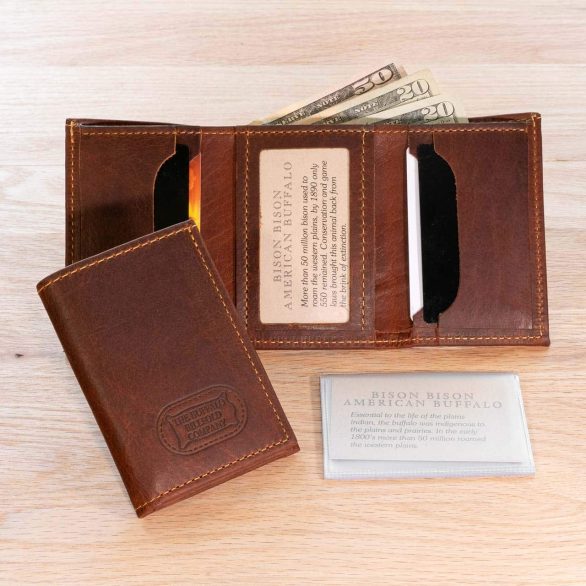
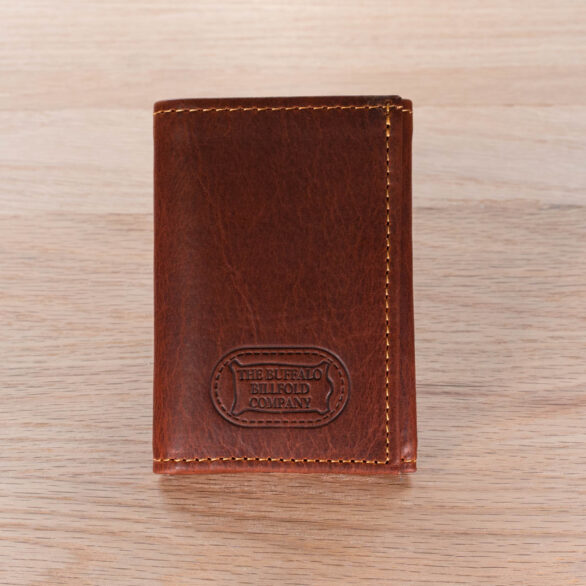
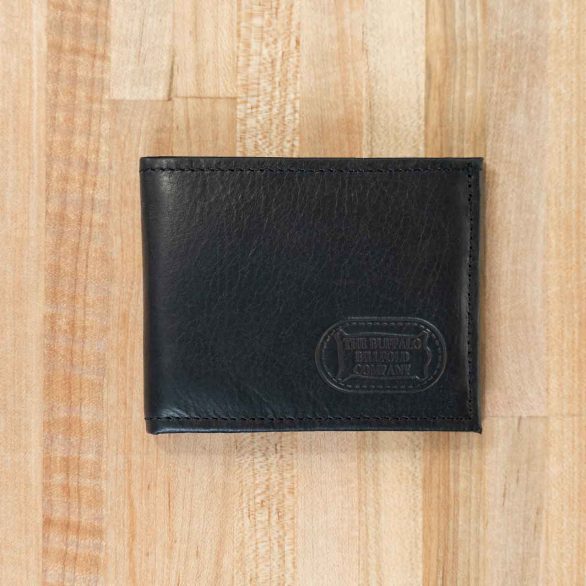
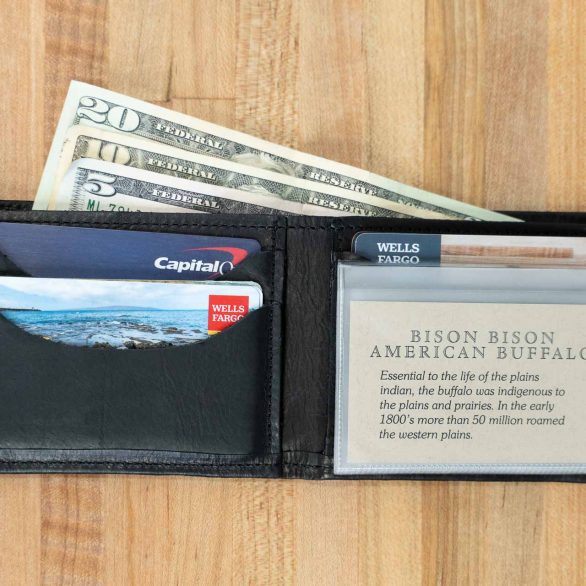
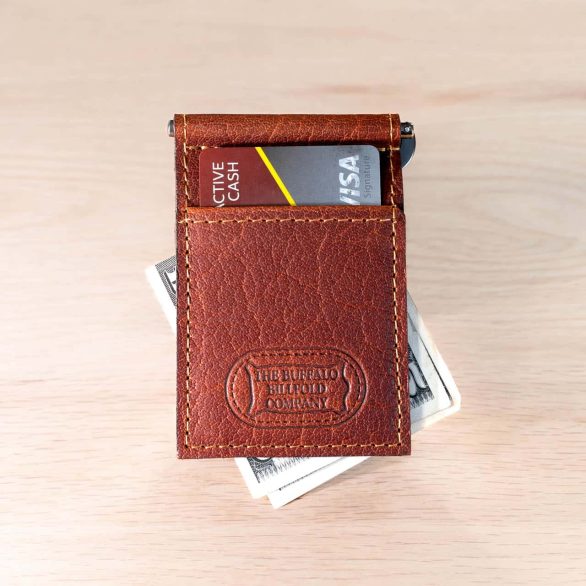
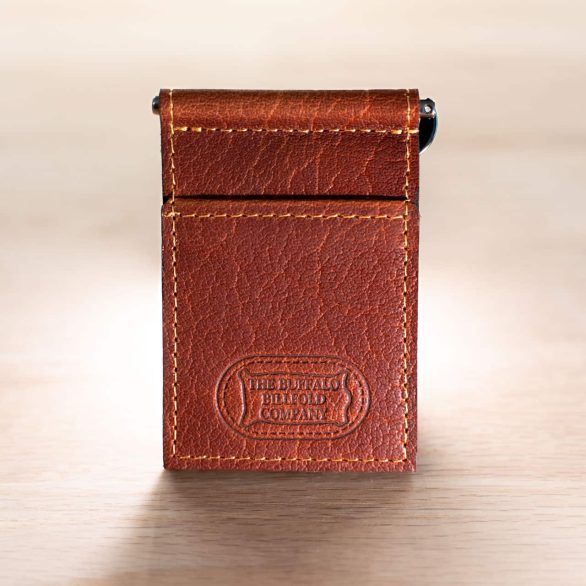
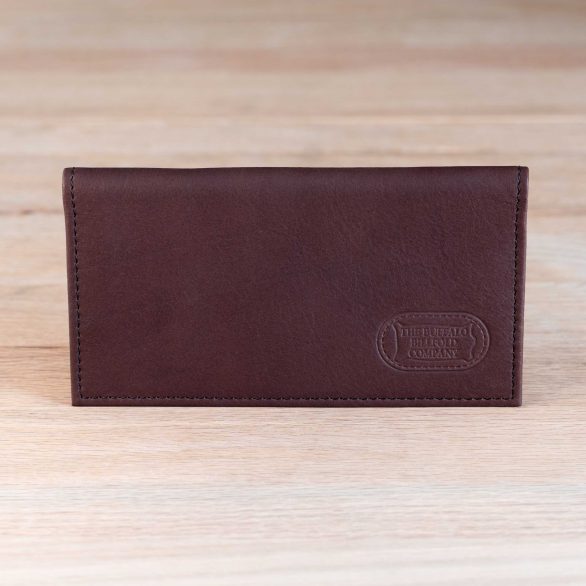
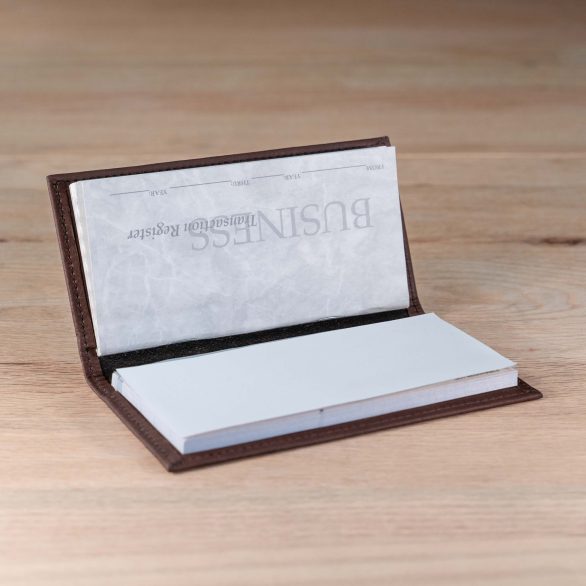
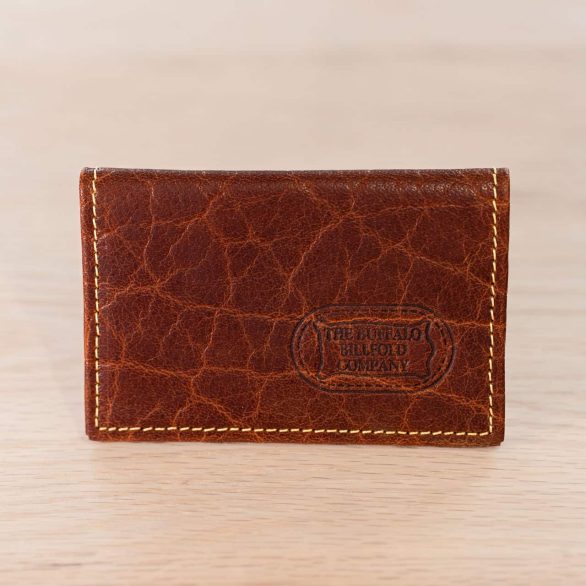
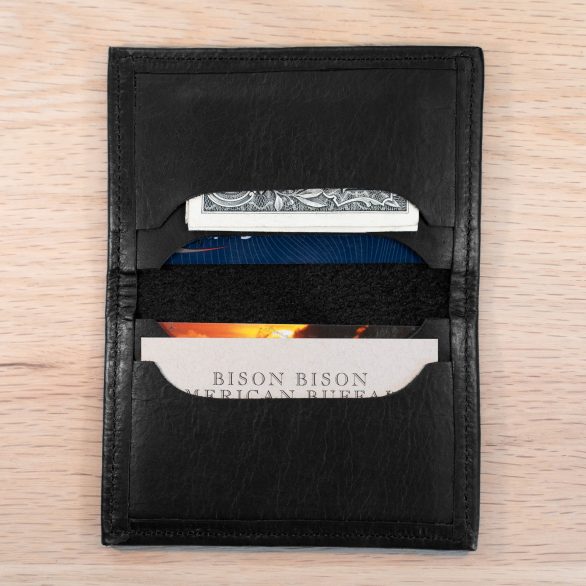
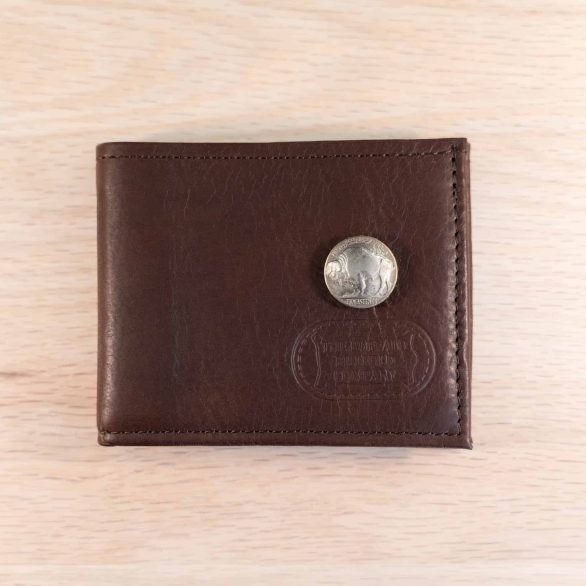
For example, the signature Buffalo Billfold provides an all-leather interior, card and inner pockets, a bill slot, and hand-rolled top edges. The Handmade Leather Front Pocket Wallet uses a compact five-pocket layout for access without opening a fold.
Those designs should be assessed on their own features. Full-grain American Bison leather describes the leather; it does not itself establish RFID protection. Choose the material and layout you like, then confirm separately whether the specific model includes shielding.

How does the Buffalo Billfold Company RFID wallet fit into the range?
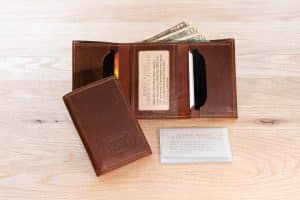
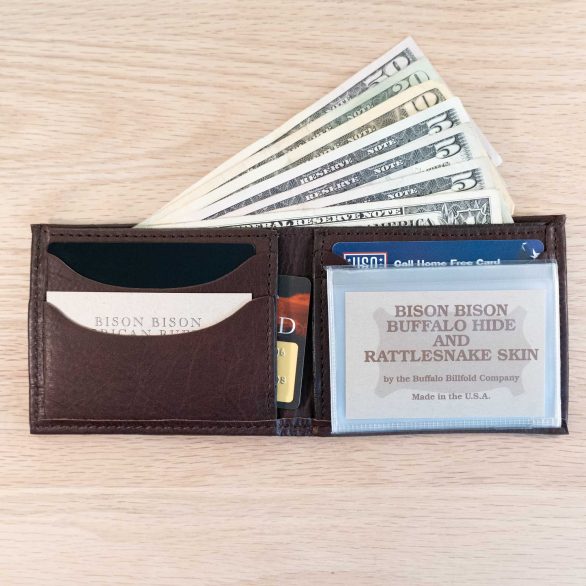
Our Buffalo Leather RFID Wallet is a bifold made in our Worthington, Minnesota workshop. Along with the shielding fabric, its listed features include a bill slot and a removable wallet photo insert.
That makes it worth comparing if you want a traditional folding wallet with the added shielding feature. Consider whether you use the insert and how the interior will hold your daily cards. Check the current product description and photographs for the layout, and ask us about a specific capacity requirement before ordering.
The RFID feature does not replace ordinary questions about construction. You still want usable pockets, suitable dimensions, and leather that feels right to carry. Likewise, a traditional appearance does not tell you whether shielding is present; the model’s specification is what matters.
Can I tap to pay through an RFID-blocking wallet?
Plan to remove the payment card and present it directly to the reader. Trying to read a card through the protected area works against the purpose of the shielding. Keeping a card in an exposed outer pocket also should not be assumed to give it the same protection as placing it within a shielded area.
If your preferred routine is to present an entire wallet to a reader, consider that habit before choosing a blocking model. Ask about your particular card and the wallet’s pocket arrangement. Convenience depends on the way you actually retrieve and use a card, not only on the wallet’s appearance.
Does RFID shielding make a wallet waterproof or more durable?
It is a separate function from those qualities. Evaluate leather, seams, folds, and other components for durability, and review the Longhaul Guarantee for coverage and exclusions. Do not interpret a shielding feature as broader warranty protection.
For moisture, follow the bison leather water-resistance guidance. Keep the wallet out of soaking conditions. A shielding liner is not a reason to treat the finished wallet as a waterproof enclosure for cards, cash, or other contents.
What should you check before ordering?
- List the cards and cash you actually carry, including any ID or photo insert you want to keep.
- Decide whether RFID shielding is a feature you specifically want.
- Compare models that fit those needs, checking the interior as well as the exterior.
- Review closed dimensions and clarify any missing fit or compatibility information.
- Read the return and guarantee terms before starting to break in a new wallet.
The Buffalo Billfold Company wallet collection includes several approaches to everyday carry. If you want help choosing between the RFID bifold and a standard model, contact us with the models you are considering and what you need to carry.

 Google
 Facebook
 Trustindex


