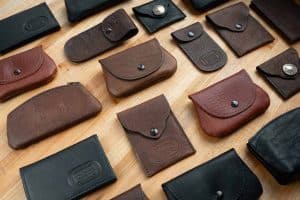
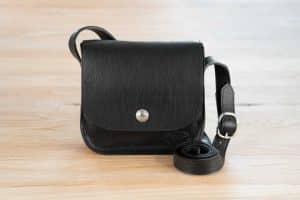
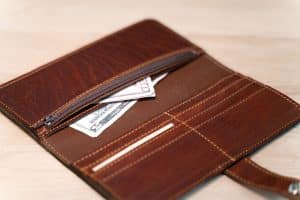


Some superficial leather scuffs can become less noticeable, but deep scratches, cuts, and missing material are not repaired by conditioner. Start by gently removing loose dirt with a dry cloth and identifying the mark. For Buffalo Billfold Company full-grain leather, the next step depends on the actual surface and damage; complete removal of a scratch should not be assumed.
A first mark on a new wallet, belt, or purse can draw more attention than the many marks on something you have carried for years. Before reaching for a product, distinguish a change in appearance from damage that affects the item’s function. That difference determines whether gentle care, acceptance of normal character, or a repair assessment makes sense.
Is it a scuff, scratch, cut, or natural mark?
Look at the area in ordinary light with the item supported. Avoid digging into the mark with a fingernail to estimate its depth. Describe what is visible: a broad rubbed area, a narrow line, an opening in the leather, or a feature that was already there when the item arrived.
Full-grain leather retains surface character, which can include natural marks from the hide. Our full-grain leather guide explains that material choice. An existing scar in the leather and a new cut from a sharp object are not the same condition, even if both appear as lines.
| Appearance or history | What to consider |
|---|---|
| A light rubbed area after contact | A superficial scuff or surface change |
| A narrow groove | A scratch that may involve the grain surface |
| An opening, tear, or missing piece | A repair question rather than routine conditioning |
| A mark visible from the start | The hide’s natural character or another condition to clarify |
| A broad change from regular handling | Normal wear or patina, rather than a single scratch |
These descriptions help you ask for useful advice. They are not a way to guarantee from a photo that a mark is harmless. If an area near a seam, belt hole, bag strap, or attachment appears damaged, take its function into account rather than judging only its color.
What is the first care step for a light scuff?
Place the item on a clean, dry surface and remove loose grit gently. Then wipe the affected smooth leather lightly with a clean, soft, dry cloth. Use a cloth free of household cleaner or polish, and move to a clean section as it picks up dirt.
This first step removes material sitting on the surface and lets you see what remains. It does not promise to remove a scratch in the leather itself. Stop when loose dirt is gone rather than continuing to rub simply because the line is still visible.
Buffalo Billfold Company’s general care guidance favors minimal routine treatment. If the mark changes unexpectedly or the surrounding surface starts to look different, pause and ask us about the specific item.
Will conditioner make a scratch disappear?
Conditioner is not a filler, adhesive, or replacement for removed leather. It may change the surrounding appearance, which is different from restoring damaged grain. Darkening a larger area until a line is less obvious also does not mean the original surface has been repaired.
If suitable smooth leather actually needs conditioning, use the product-specific guidance and test a small amount of an appropriate cream in an inconspicuous area. Do not turn a single scratch into a reason to saturate the item. Our conditioning article explains the light approach intended for Buffalo Billfold Company leather.
Keep cream intended for smooth leather away from suede or other surfaces for which it is unsuitable. A scuff on a suede backing is a different care question from a mark on the smooth exterior. Identify the affected surface before selecting a treatment.
Which shortcuts should you avoid?
Do not use sandpaper, abrasive cleaning pads, or a household eraser to grind down a mark. Those approaches change the surface around it and may leave a larger, differently textured area. Scrubbing harder is not a reliable way to preserve full-grain character.
Avoid shoe polish, household oils, and an unverified recoloring product as quick ways to conceal a line. Buffalo Billfold Company does not recommend mink oil, shoe polish, or saddle soap as routine touch-ups for scratches. Mink oil can help repel water, but it may change color and feel and does not repair a scratch. See our mink oil guidance for that separate use. A product that matches the color in its container may still behave differently on the actual leather.
Likewise, do not apply heat to try to close a scratch or flatten a damaged area. If a repair or refinishing option is worth considering, have the actual material assessed. A proposed finish change should be understood before it is applied to a broad visible surface.
Can ordinary use make a scuff less noticeable?
The appearance of natural leather changes through handling, so a light mark may become less prominent within the developing surface character. There is no fixed timetable or guarantee that a particular scratch will disappear. Do not deliberately roughen the surrounding leather to make it match.
Whether a visible mark bothers you is also a preference question. Some owners enjoy the record of use; others prefer a more uniform appearance. Care should help you preserve the product you chose, rather than promise an unchanging finish that natural leather does not necessarily provide.
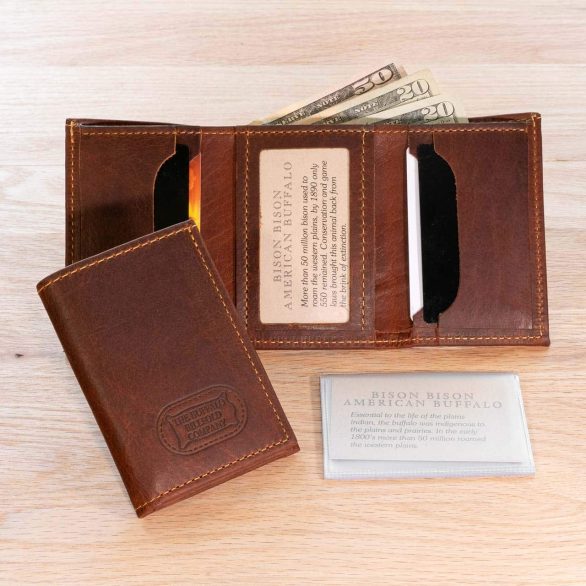
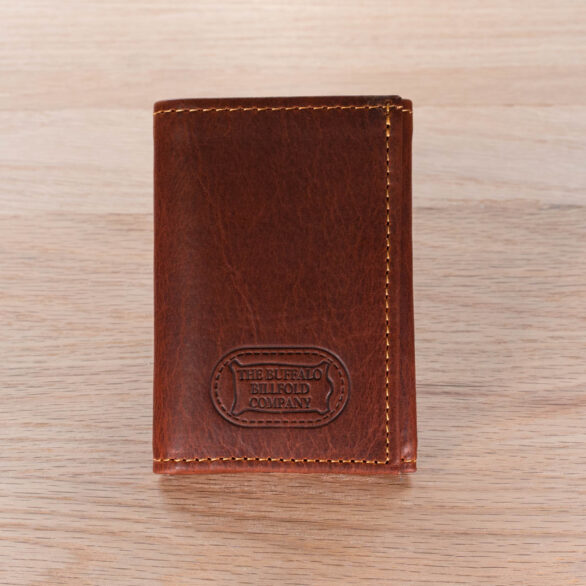
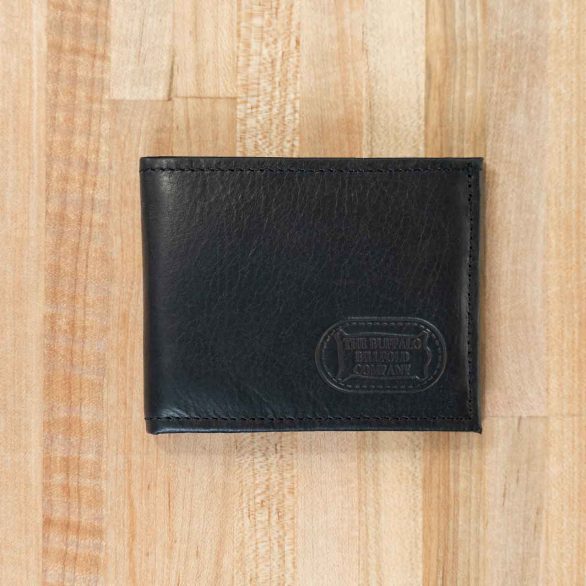
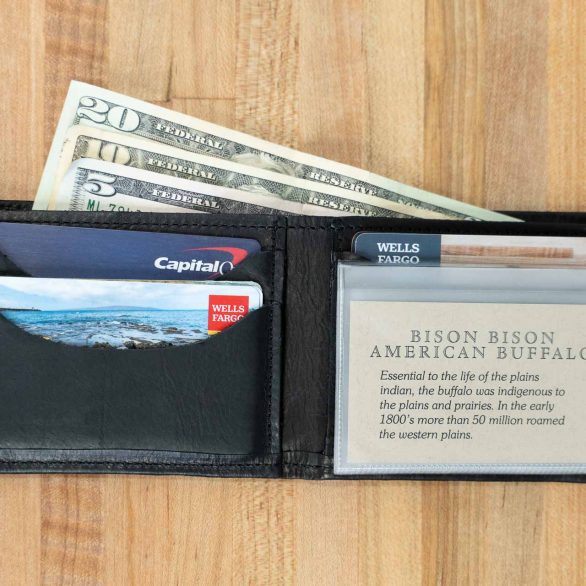
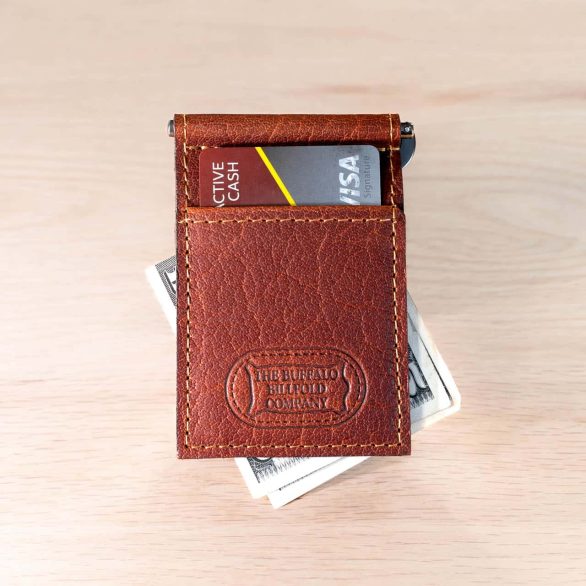
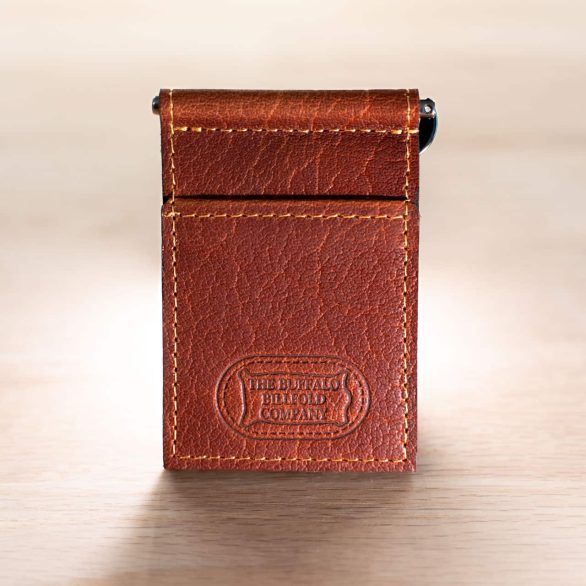
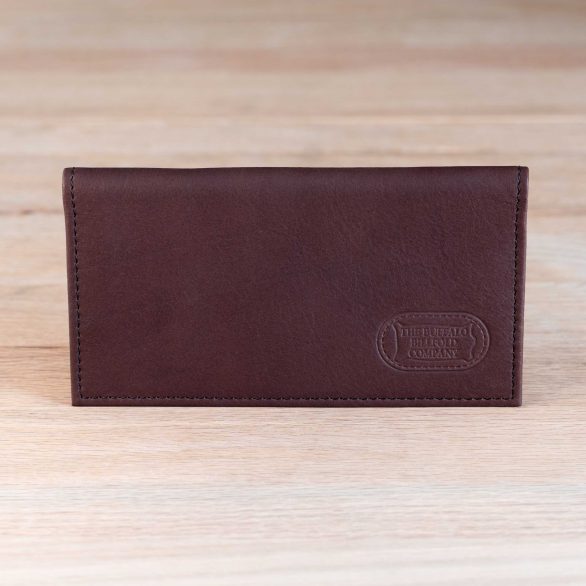
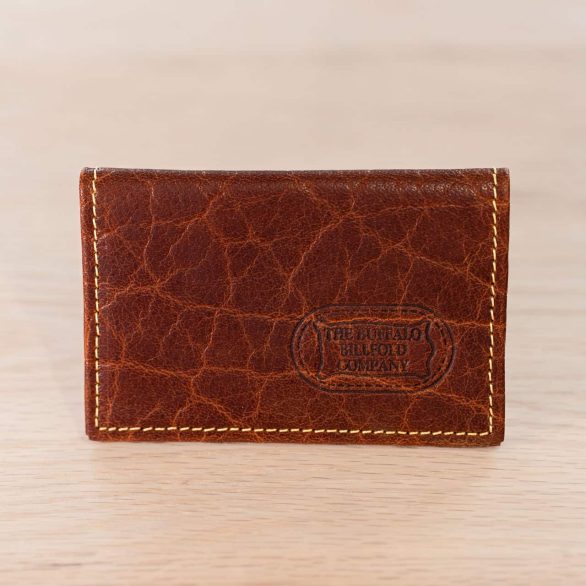
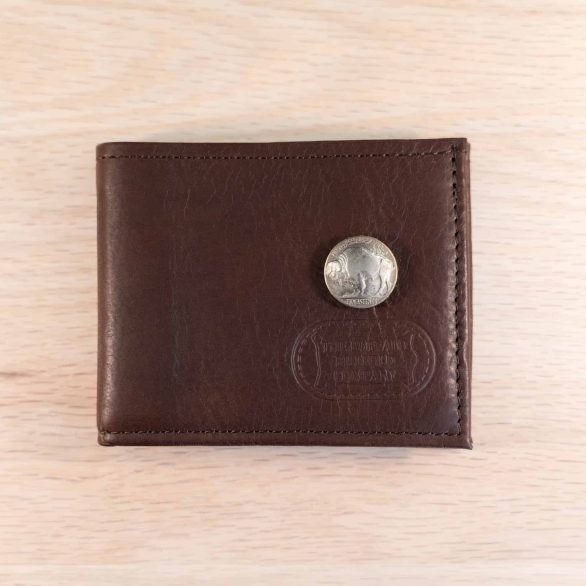
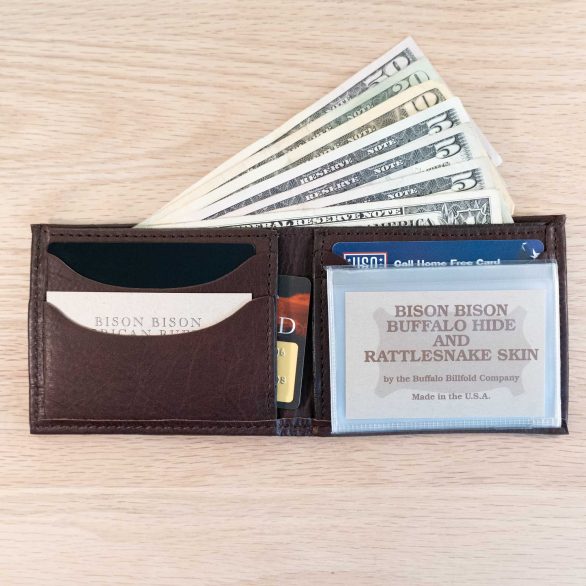
When shopping, look at the actual leather and its description. The signature Buffalo Billfold is an example of an all-leather wallet whose material character is part of the purchase. Decide whether that character suits you alongside the pocket layout and size.

When should you ask about repair?
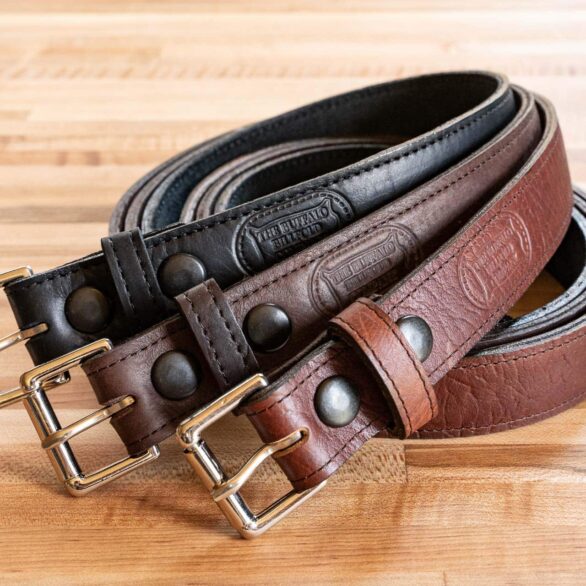
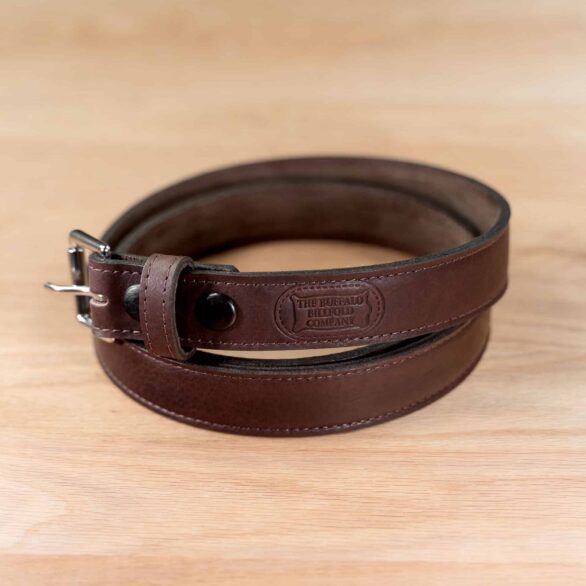
Ask if the leather is cut through, a seam has opened, an attachment is compromised, or the item no longer functions normally. Do not assume those conditions can be addressed by the same routine as a cosmetic scuff. For a belt or bag strap, stop relying on a visibly compromised area until it has been assessed.
Send a photograph of the whole item and a closer view of the damage, along with what caused it if known. Include any treatment already attempted. This information helps identify whether a repair assessment, care advice, or another response is appropriate.
The Longhaul Guarantee distinguishes materials and workmanship coverage from cosmetic changes and other exclusions. Check the actual terms; neither the existence of a scratch nor the word repair establishes that a particular service is available or covered.
How can you reduce avoidable scratches?
Carry sharp keys and tools separately from a wallet when practical. Check a bag’s resting surface before setting it down, and remove grit from a desk or pocket instead of repeatedly pressing the leather against it. These habits reduce avoidable contact without requiring a coating over the leather.
Choose a layout that gives your belongings enough room. A bag overloaded with hard objects or a wallet pushed against sharp items receives different contact from one carried with a suitable arrangement. Care and practical packing work together.
Common scratch and scuff questions
Does a scratch mean full-grain leather is poor quality?
No. A visible mark alone does not identify the leather’s grade or workmanship. Consider the actual material, the cause of the mark, and whether it affects function.
Can I rub the scratch until the color matches?
Do not keep increasing pressure to force a match. Gentle removal of loose dirt is a sensible first step; continued abrasion can change a larger area. Ask about a persistent mark rather than overworking it.
Will every scratch improve with time?
No. A superficial appearance change may become less noticeable, but a cut or missing material is a different issue. Choose any next step from the actual condition instead of a promise that use will erase it.
Should I replace a wallet because of a small scuff?
Not automatically. Assess function and appearance separately. If the leather and construction are sound, a cosmetic mark may be compatible with continued use; if you are unsure, ask for an assessment before deciding.
For a future purchase, explore Buffalo Billfold Company bison leather wallets with realistic expectations about natural leather. A product whose material and layout you enjoy is easier to appreciate as it develops the character of everyday use.

 Google
 Facebook
 Trustindex


