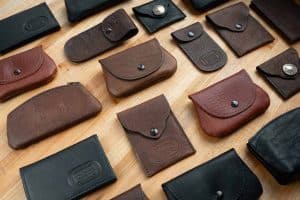
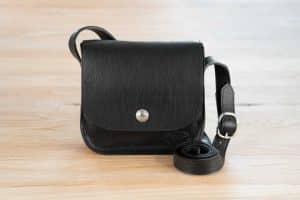
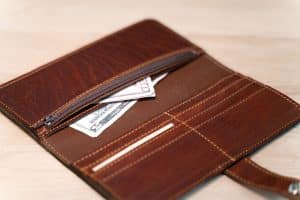


Soft leather is a good choice when you want a wallet that feels flexible in your pocket; firmer leather can suit shoppers who prefer more structure. Neither feel proves better quality. Choose a wallet that bends comfortably, supports its intended contents, and holds cards securely. Judge those qualities together rather than treating softness or stiffness as a durability test.
This is especially useful when buying online. Words such as supple, rugged, substantial, and structured describe different experiences, but product photos cannot tell you exactly how a wallet will feel. Understanding what creates that feel makes it easier to choose a model you will enjoy using.
What makes one leather wallet softer than another?
Leatherworkers use the word temper to describe how soft or firm leather feels. Thickness, temper, and surface finish are separate considerations, as shown in Weaver Leather Supply’s project-selection guidance. They work together in a finished wallet, but one should not be used as a substitute for the others.
A flexible exterior may still be part of a structured wallet because of its interior panels, seams, or reinforcement. A wallet can also have a firm card pocket and a more flexible fold. The feel of one exposed corner does not describe how the complete wallet will behave when loaded.
Leather thickness contributes to the experience without explaining everything. It is possible to have a relatively thin, firm piece or a thicker, supple piece. That is why a product described as soft should not automatically be understood as flimsy, and a product described as stiff should not automatically be assumed to use heavier leather.
When is a softer leather wallet the better choice?
Consider a softer wallet if you dislike a rigid object pressing against your clothing or want a traditional leather feel from the start. Flexibility can make the wallet more agreeable to handle as it opens, closes, and settles around its normal contents.
The design still needs to match your load. A very flexible wallet cannot make a large stack of cards disappear, and softness will not compensate for an oversized footprint. If your current wallet feels uncomfortable, identify whether the problem is rigidity, overall size, or too many things inside before choosing its replacement.
Soft leather can also appeal to someone who enjoys a less formal appearance. The surface and shape may become more individual through normal handling. If you want your wallet to remain visually unchanged, consider that preference alongside the initial hand feel rather than expecting flexible natural leather to behave like a rigid case.
When should you choose a firmer wallet?
A firmer wallet can be appealing if you like defined edges, a structured feel in your hand, or pockets that maintain a clear shape when relatively empty. Some shoppers prefer that resistance when opening a new wallet or inserting cards.
Initial firmness is not the same as a poor fit, however. There is a difference between a snug new pocket that accepts its intended contents with reasonable effort and a pocket that requires you to bend cards or wrench the seams. The first may be part of the intended break-in; the second is a reason to check the instructions or choose a more suitable design.
Do not buy a very stiff wallet solely because you assume it must last longer. Its leather, seams, pocket layout, and hardware still need to perform together. A material that feels substantial at first touch is only useful if the completed wallet suits the way you carry it.
How do soft and firm wallets compare in daily use?
| Buying priority | What to look for |
|---|---|
| Flexible feel in a pocket | A supple exterior and a footprint that fits your clothing |
| Defined shape in the hand | More structured panels and a layout that supports your load |
| Easy access to a frequently used card | A well-placed pocket with appropriate initial fit |
| Minimal bulk | Fewer unnecessary layers and realistic loaded dimensions |
| Traditional leather character | Clear information about the leather and how its appearance changes with use |
These priorities can overlap. You do not necessarily need to choose between comfort and organization. A useful comparison is to handle your current wallet empty, then loaded. If it feels flexible empty but uncomfortable full, changing leather temper alone may not solve the problem. You may need a different layout or fewer contents.
Does soft leather stretch too much to hold cards?
You cannot predict card retention from softness alone. Pocket dimensions, how the leather is used, the number of cards, and previous stretching all influence fit. A soft wallet with well-proportioned pockets can hold its intended contents securely; a firm pocket can also become loose if it is stretched beyond what the user later carries.
Start with the maker’s instructions for the specific wallet. Do not force an excessive stack into a pocket to accelerate break-in. When you later remove those extra cards, the pocket may not return to the smaller fit you wanted.
For a practical buying decision, count the cards you need every day and consider how you want them divided. Two people carrying the same total number may prefer very different arrangements if one wants separate access to each card and the other prefers a compact stack.
What should you expect from BBC’s bison leather wallets?
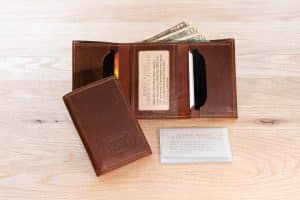
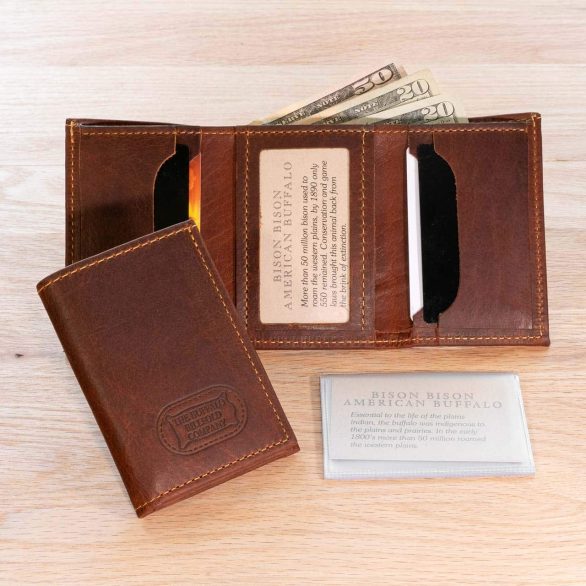
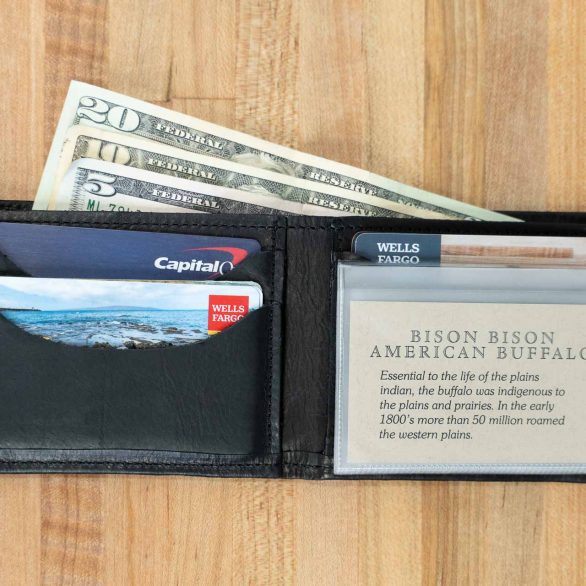
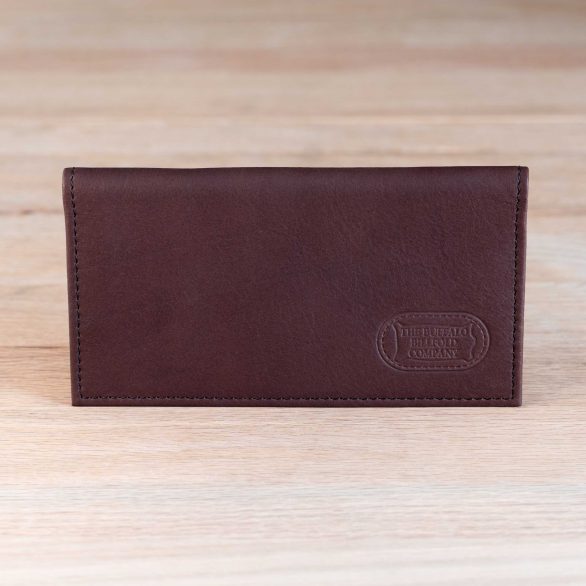
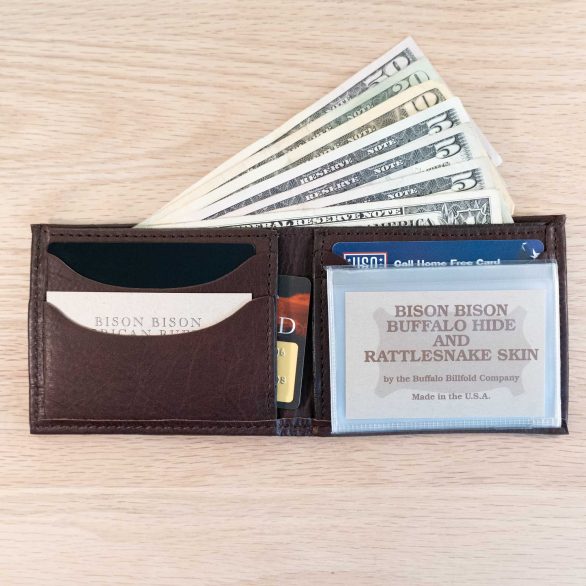
Our bifold wallet with photo insert describes a soft, flexible American Bison leather construction. It is a useful starting point if you want a familiar billfold layout and a supple feel without assuming that the wallet must begin as a rigid object.
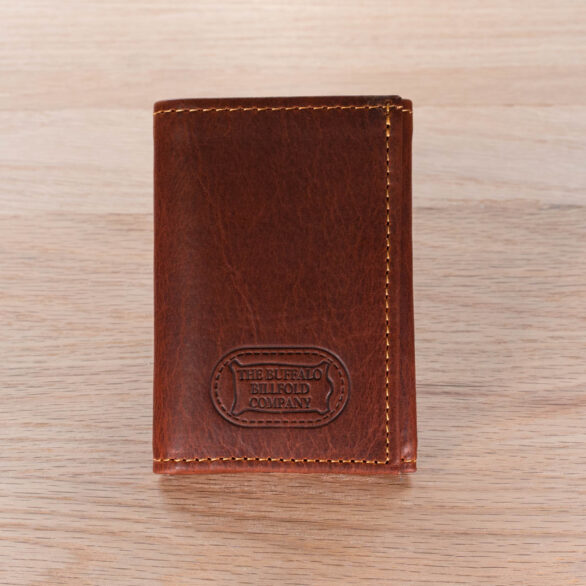
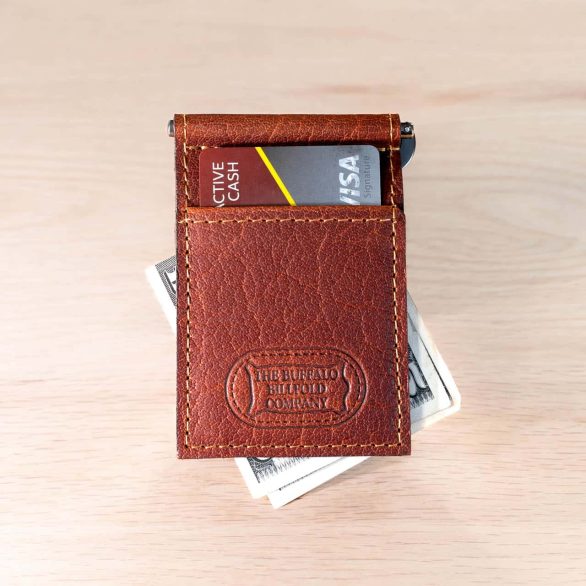
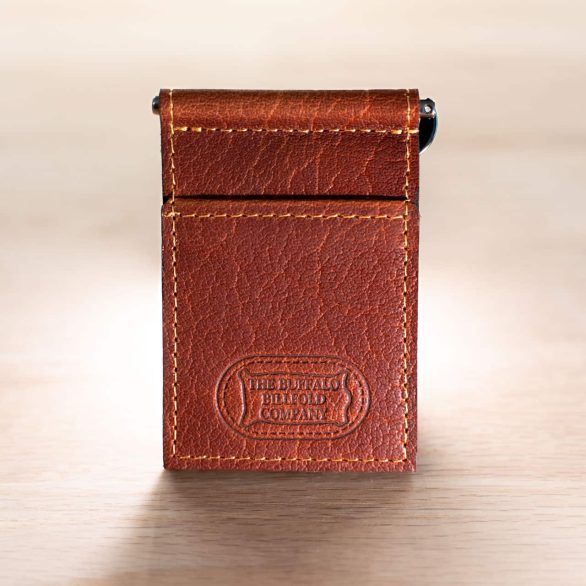
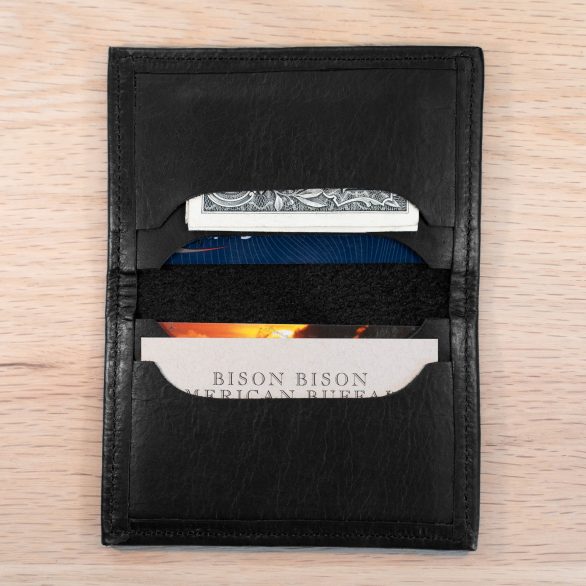
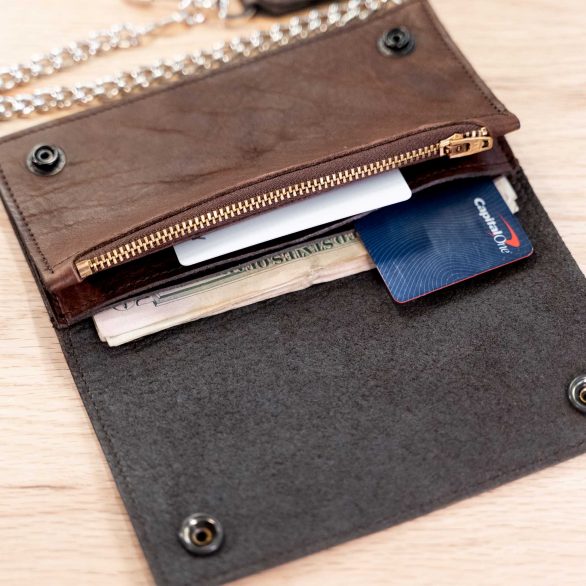
Our handmade minimalist wallet can feel firm initially and is designed to fit its contents through use. That is a different experience from choosing solely for immediate softness. The product’s simpler pocket arrangement may matter more to a minimalist shopper than how an empty panel feels on the first day.
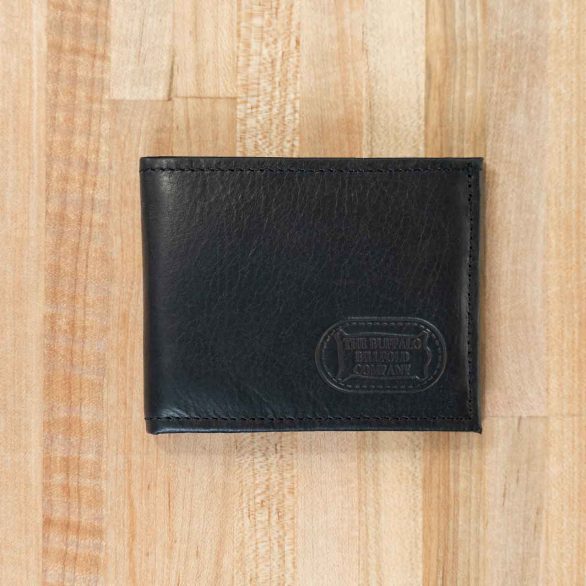
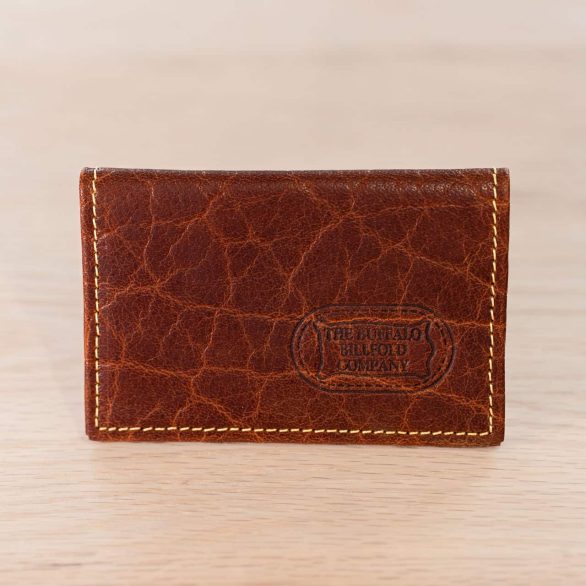
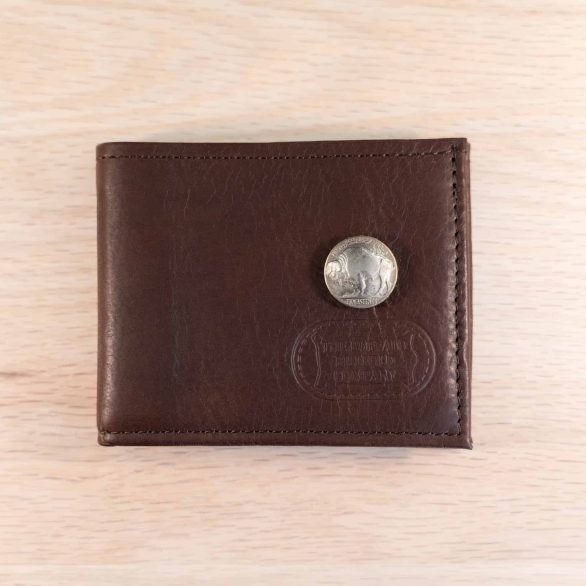
The signature Buffalo Billfold combines an all-leather construction with hand-rolled top edges. Compare its interior arrangement with the photo-insert and minimalist models. The best choice comes from matching the whole wallet to your preferences, including construction, contents, and appearance.

Should you soften a new wallet before using it?
For a BBC wallet, begin with normal use and the model’s break-in instructions. Adding oil, soaking the leather, or heating it can change the feel and appearance in ways you did not intend. Those methods are not a substitute for choosing a suitable wallet in the first place.
Follow our leather care guidance if the leather needs attention. A new wallet that is simply firm does not automatically need conditioner. If the fit seems wrong, ask about that fit before treating the leather; it is easier to discuss a new, unaltered wallet than to reverse an unnecessary treatment.
Questions shoppers often ask
Does a soft wallet mean the leather is low quality?
No. Softness describes feel, not leather grade or workmanship. Look for a clear material description, suitable pocket construction, and a maker who explains the product. Those details tell you more than softness alone.
Will every stiff wallet become soft?
Normal use can make a leather wallet more flexible, but the amount varies with its construction and materials. Do not expect every structured wallet to become completely supple. Choose a starting feel and design you already find acceptable.
Is soft bison leather suitable for an everyday wallet?
BBC uses American Bison leather in everyday wallet designs, including models described as soft and flexible. Evaluate the particular model’s size and pocket arrangement; the species name alone does not establish how every finished wallet will feel.
What if I am choosing a wallet for someone else?
Look at what they already use and ask what they would change. A person who dislikes a hard wallet may appreciate flexibility, while someone who values a tidy, structured feel may prefer more firmness. Keeping their preferred layout can make the gift easier to adopt.
For over fifty years we have worked at perfecting our leather to find that perfect balance between softer and harder leather, durability, and longevity. During those fifty years customers have told us that our leather is “the best.” We smile and say thanks! ;) But we also know that there are many different types of leather for many different purposes. And we’re also happy to quietly agree that we’ve got the best leather for the products we make.
Browse our bison leather wallets and compare two models by pocket layout first, then by their described feel. That gives you a more useful choice than treating “soft” or “stiff” as a universal quality ranking.


 Google
 Facebook
 Trustindex


