








Are Buffalo Extinct or Endangered Today?
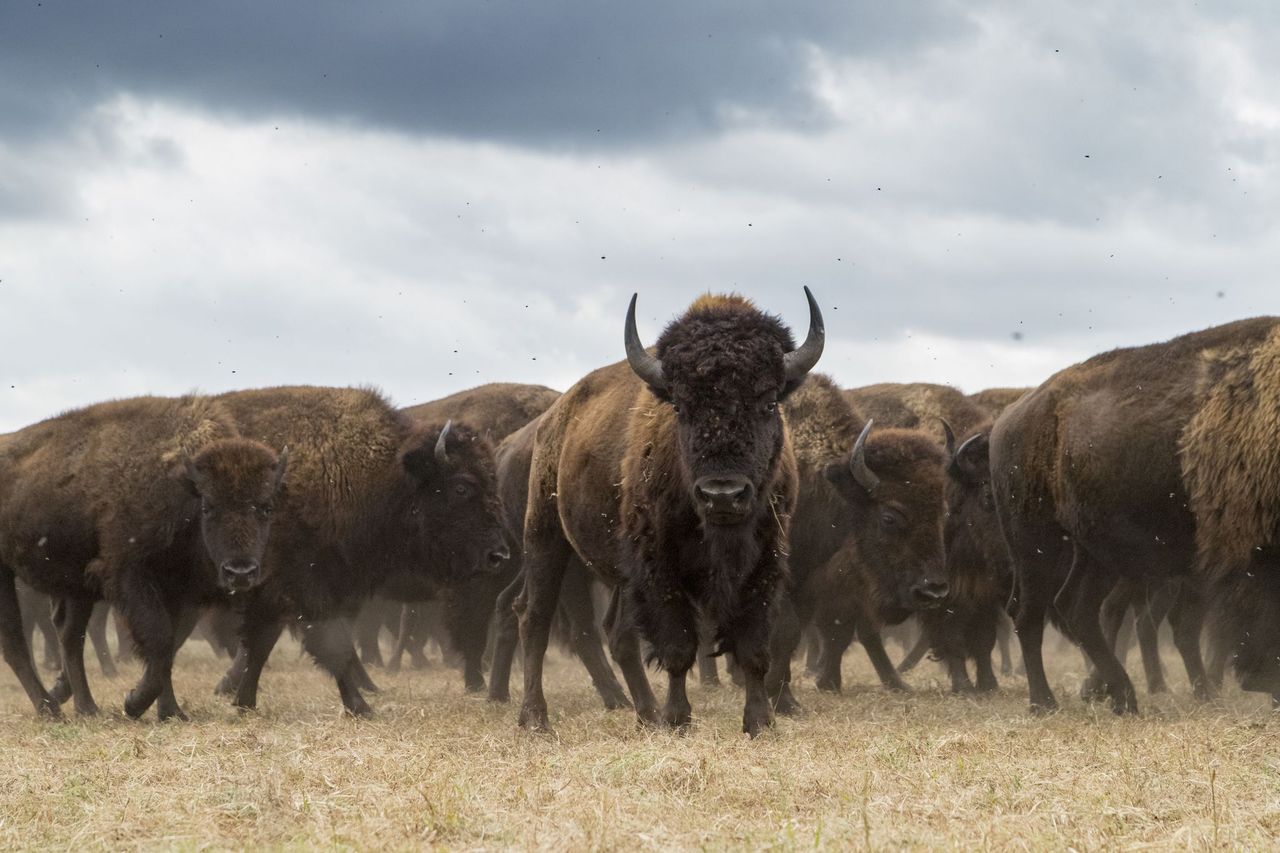
No. American buffalo—more accurately called American bison—are not extinct, and the species is not classified as endangered. They were hunted to near extinction during the 1800s, when tens of millions of bison were reduced to only a few hundred surviving animals. Conservation efforts helped their population recover.
Today, approximately 20,500 Plains bison live in conservation herds and another 420,000 live in commercial herds, according to the U.S. Fish and Wildlife Service. Although bison are no longer threatened with extinction, wild herds occupy only a small part of their historic North American range. Habitat loss, fragmented herds and limited genetic diversity make continued American bison conservation important.
This small block naturally reinforces nearly the entire ranking set: “buffalo extinct,” “bison extinct,” “American buffalo extinct,” “buffalo endangered,” “bison extinction,” “how many bison are left,” “near extinction” and “bison North America.” It is also formatted well for the AI Overview and People Also Ask features appearing throughout the export.
Natural Predation of the American Bison
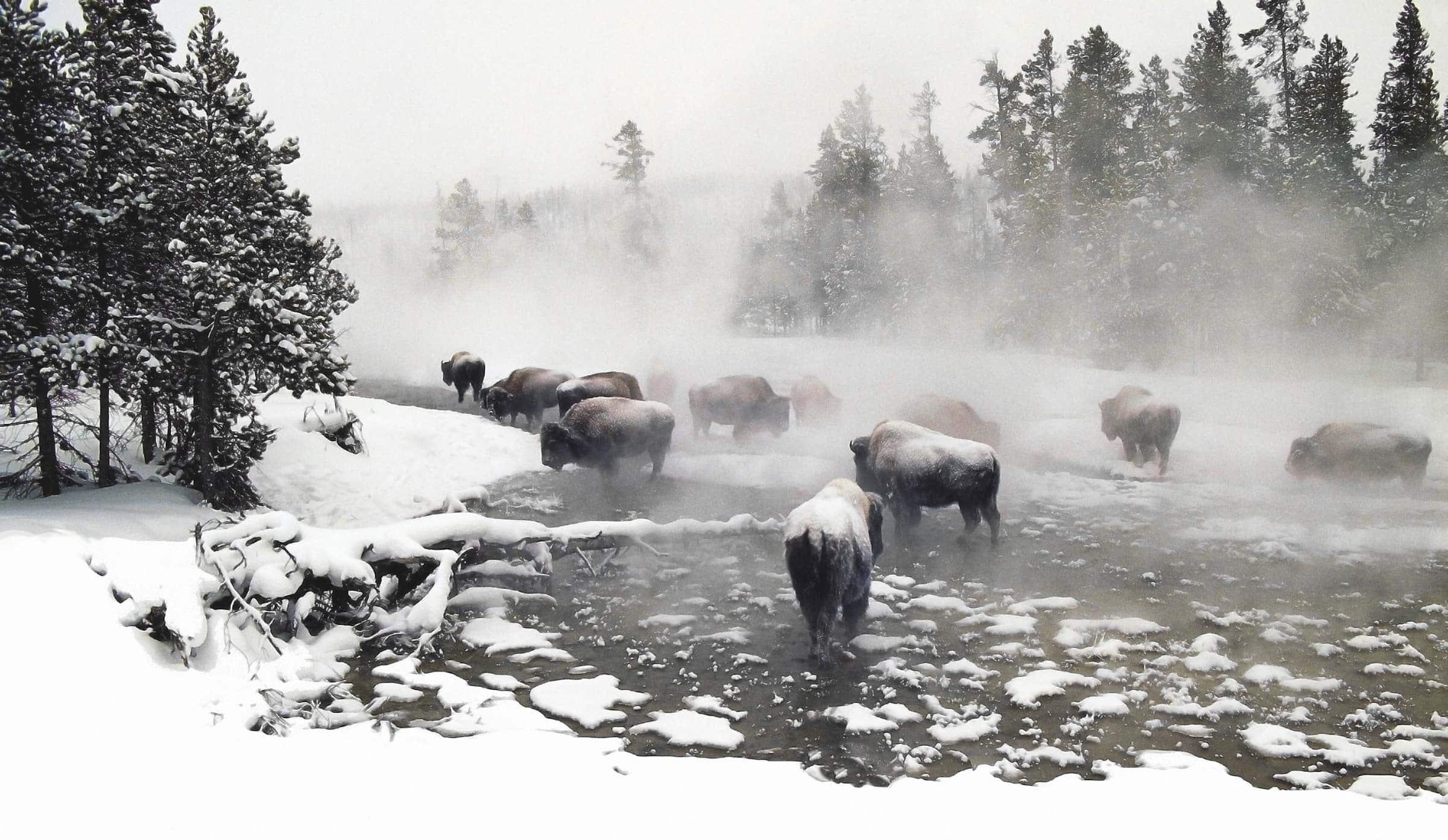
Conservation efforts of the American Bison have brought them back from near extinction caused in no small part to the colonization of North American. American Bison, sometimes known as Buffalo, have always faced predation from a number of sides, but these historical dangers would never have pushed the bison to extinction. Mountain lions and coyotes prey upon young calves if given the opportunity. Wolves cull weak or sick animals, as well as the young. Sometimes, a wolf pack can even take down a full grown, solitary bull. Native American tribes utilized the bison for several needs: food, fuel, clothing, shelter, and tools. The plains Indians’ nomadic lifestyle was dependent on bison. Because Bison had spiritual significance, the Native Americans took only what they needed and made sure to utilize every part of the animal. In fact, the greatest danger to bison herds until the mid 1800’s was their weight breaking through the ice on frozen river. An entire herd could perish by falling into freezing water. Native American hunting practices and natural causes caused an insignificant number of bison deaths. The herds flourished. Bison would never have needed conservation if not for what happened next.
The Transcontinental Railroad
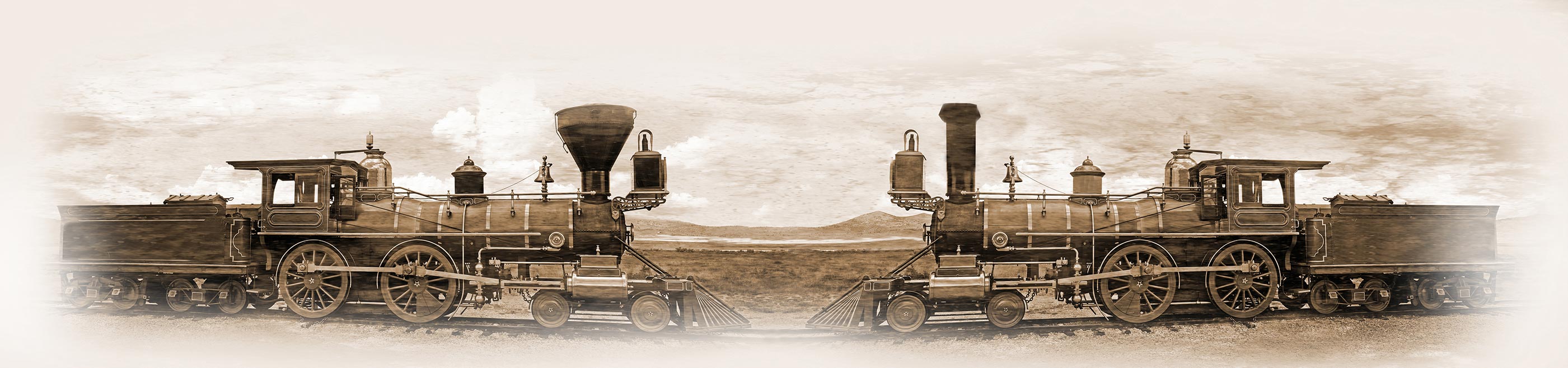
The construction of the transcontinental railroad drastically changed the bison’s fortune. This great construction achievement united the East and West coasts, allowing for rapid travel across the plains. And the plains would not be the same. Instead of facing only predation, Bison were now a commercial commodity. Buffalo Bill Cody reportedly killed 4,282 bison in just a period of 18 months in 1867-1868. These bison were used to feed the railroad construction crews. Once the railway was completed in 1869, trains could ship bison meat to the East coast before it spoiled. Now hides and tongues were harvested on a large scale, as the tongue was considered a delicacy. The rest of the buffalo carcass was left on the plains to rot.
Unnatural Extermination
Then bison became prey for a predator that would never be full: bison hunting became a sport. When trains approached bison, they would slow to the same speed as the traveling herd. Then passengers would fire upon the animals, either from the top of train cars or out of the windows. The passengers hunting from a single passing train could kill hundreds of animals. The train continued on its way and the bison were left lying where they died. Men could build mountains from buffalo skulls alone.
“Unlike the Native Americans or Buffalo Bill, who killed for food, clothing and shelter, the hunters from the East killed mostly for sport. Native Americans looked on with horror as landscapes and prairies were littered with rotting buffalo carcasses.“
- Gilbert King of the Smithsonian Magazine
To make matters worse, when a Bison was killed the herd would gather around it, giving their human predators ample chance to kill more of them.
We Almost Lost Them All
We quite literally could have lost the American Bison. A census was taken – January 1, 1889 and the numbers of wild Bison remaining are shocking to hear even today:
- Texas: 25 Bison
- Colorado: 20 Bison
- Wyoming: 26 Bison
- Montana: 10 Bison
- Dakotas: 4 Bison
Total United States Wild Bison population in 1889 was: 85 Wild Bison
Add to the USA total…
Athabasca: 550 Bison (approximately)
Captivity: 256 Bison
Government Protected in Yellowstone: 200 Bison
We had 1,091 American Bison remaining.
The Dust Bowl
The Plains Bison played an ecological role far more than people knew. It was one of the major creators of the plains as we know them. When they were mostly removed from the land and replaced with farmers, the land suffered greatly. Without their natural fertilizer and grazing, the lands became dry and barren. This lead to the great dust bowl of the 1930’s.
Bison and Native American Culture
Extermination of the herds served an ulterior motive. Encroachment on Indian lands caused by the homestead act and gold rushes created increasing friction between settlers and Native American tribes. Fully believing in manifest destiny, the American Army was dispatched to subdue and sometimes exterminate Indian tribes. Both sides fought brutally, but the “Indian Wars” came to a swift end once the bison herds began to dwindle. The North American buffalo population had once been so numerous that they were called “the thunder of the plains.” Over 50 million bison once roamed the plains. By 1889, there were only about 500 individuals left. Put another way, only one bison per 100,000 individuals survived. Native Americans could no longer survive as their Nomadic culture had for generations. The bison they had depended upon were facing extinction.
A Slow Start to Conservation
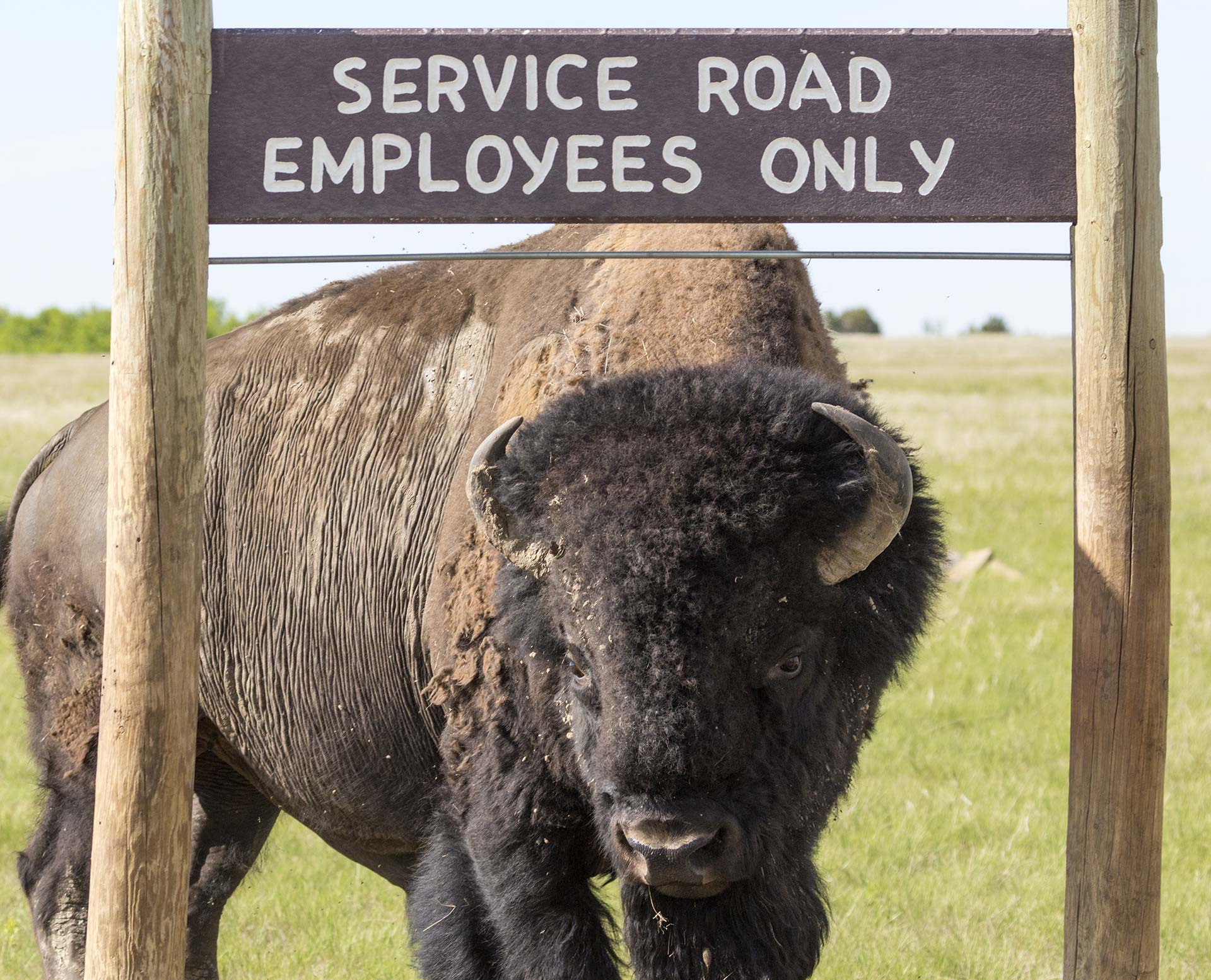
The bison’s steady decline was not unnoticed. However, action was slow to follow. Unfortunately little was done until the population was already dangerously low. Teddy Roosevelt once hunted buffalo in the Dakota Territory in 1883, but teamed up with William Hornaday in 1905 to form the American Bison Society. The Texas State legislature proposed legislation to protect the species from being preyed upon by sport hunters. However, General Sheridan opposed it and the bill wouldn’t make it any further. Bison were not officially protected until congress outlawed the killing of any animals within Yellowstone National Park in the late 1800’s. The Yellowstone bison were the only herd left.
Conservation Success
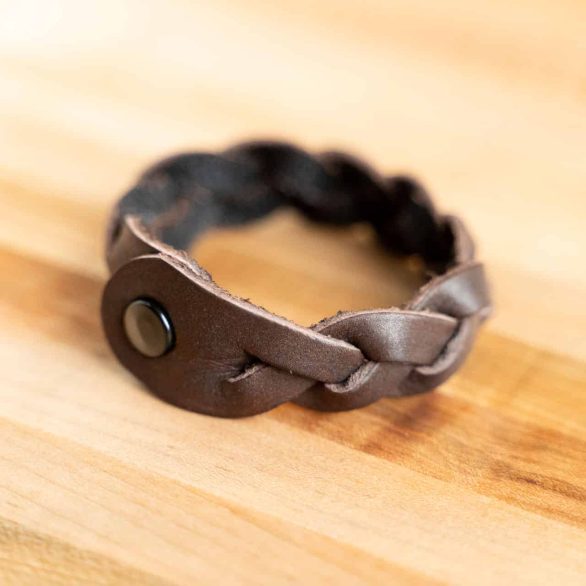
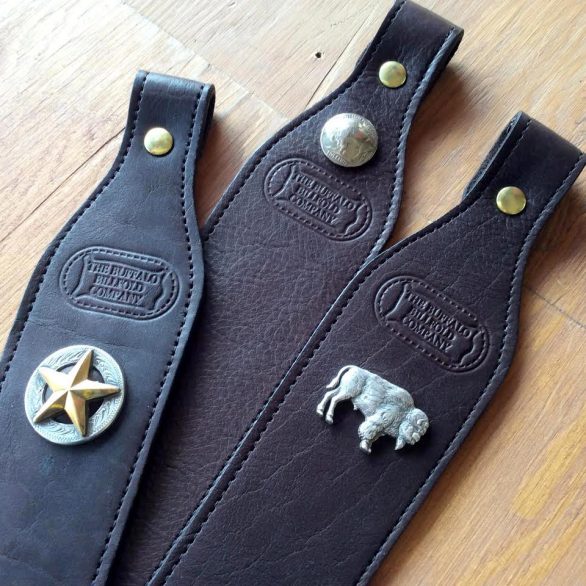
Conservation efforts have proven to be successful. The 500 animals who survived extermination have multiplied to hundreds of thousands today. Estimates vary, but there are anywhere between 350,000-500,000 bison on private lands today. An additional 15,000-30,000 can be found on public land. As herds continue to thrive and grow, conservationists select animals to reintroduce into new areas, forming new herds. At best, bison have grown to only 1% of their original population. However, they are a conservation success story. After nearly becoming extinct, American bison recovered to the point that they are no longer threatened with extinction, although they remain a species of conservation concern. They are protected in state and national parks, as well as being commercial raised by ranchers for their meat, wool, and hides. The majority of the leather hides we use come from bison who were raised for meat production. We use this leather to handcraft our Bison leather wallets, purses, belts, and more. As leathersmiths, we are helping to utilize all parts of the animal that would have otherwise gone to waste. Appreciation for conservation is a large reason we decided to try and work with Bison leather in the first place.









































 Google
  Facebook
  Trustindex


