

Empty an unlined leather purse, gently remove loose debris, and wipe accessible leather surfaces with a clean, soft, dry cloth. Clean the exterior and interior as separate areas, and avoid treating an exposed leather interior like a washable fabric lining. For spills or persistent stains, identify the affected material and ask about the specific bag before adding a cleaner.
Unlined construction can make it easier to see what is inside your purse, but it does not mean every surface has the same finish. A pocket, divider, underside of a strap, and exterior panel can feel different. Good care starts by understanding those surfaces and keeping loose dirt from accumulating where you use the bag most.
What does unlined mean for purse cleaning?
An unlined leather component has no separate fabric lining covering its inner surface. The inside may expose the reverse of the leather or a surface prepared for that use. It should not be assumed to be removable, washable, or suitable for the same cream used on a smooth exterior.
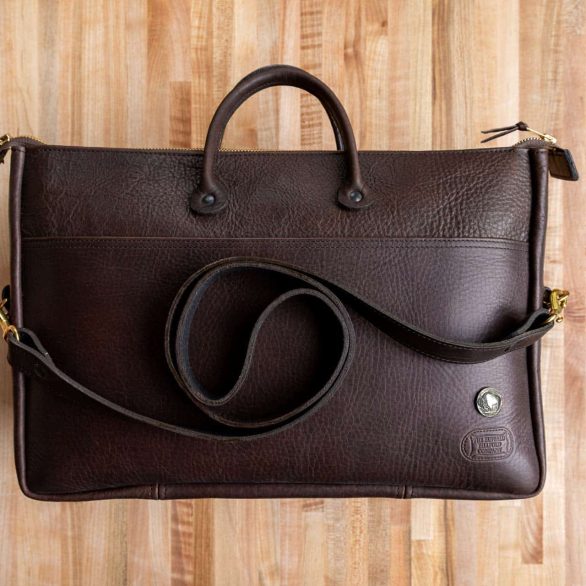
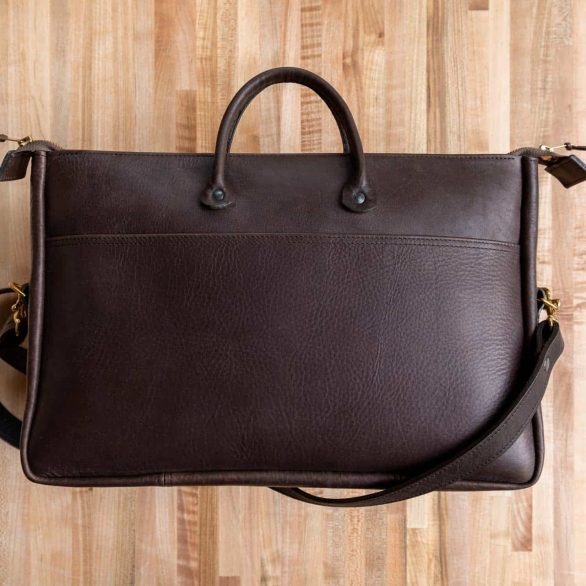
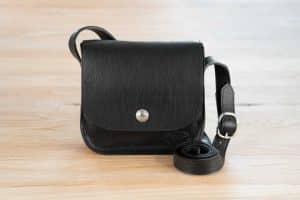
The Dakota Buffalo Leather Purse from Buffalo Billfold Company specifies no fabric lining, an interior divider, an exterior divided pocket, leather lacing, and a brass zipper. Each feature helps organize the bag, and each deserves a gentle check when you empty it for cleaning.
Other purses may use different materials and layouts. Read the description of your own model rather than applying instructions for one unlined purse to every handbag. If you are uncertain about a surface, a photograph and the product name are a useful starting point for asking us.
How do you remove crumbs and loose debris?
- Empty every compartment, including small pockets that can hold receipts, coins, and pen caps.
- Open the bag naturally and support its body. Do not force it inside out or stretch an opening for better access.
- Gently tip loose crumbs onto a clean surface, without shaking the bag by its strap or striking it against a table.
- Use a soft, dry cloth to lift accessible loose debris from the interior and pocket openings.
- Check dividers, seams, and the zipper area before returning clean contents to the purse.
Avoid scraping along a seam with a key, fingernail, or sharp tool. If material is lodged where you cannot remove it gently, ask about the construction before probing the area. Preserving the stitching and leather is more important than forcing out an inaccessible particle. If you need to use a pointed object, try a cotton swab.
A regular empty-out is particularly useful if the bag carries cosmetics, snacks, or uncapped writing tools. You can remove small problems early and check containers before they leak. This is also a good time to discard old receipts rather than compressing them deeper into a pocket.
What should you use on the outside of the purse?
For everyday surface dirt, Buffalo Billfold Company recommends a soft, dry cloth. Work lightly over the smooth leather and move to a clean section of cloth as it picks up dust. Support the bag while cleaning around corners and the base.
Do not chase every variation in color as though it were dirt. Natural leather can show grain, marks, and changes through handling. A clean exterior may still look different from the day it arrived. Persistent rubbing can change an area without improving the bag’s cleanliness.
Our full-grain leather care guide explains when a small amount of suitable neutral cream may be considered for a dry smooth surface. Routine wiping does not require you to condition the whole purse afterward.

Can you condition the inside of an unlined purse?
Do not assume the interior needs or accepts the same treatment as the exterior. A textured reverse surface or suede-like area may react differently from smooth leather. Adding cream where your belongings rest may also leave residue if the product or amount is unsuitable.
Buffalo Billfold Company’s detailed cleaning guidance explains why a product suitable for certain smooth finishes is not suitable for suede or nubuck. Use the same distinction when evaluating the different surfaces of a purse, rather than taking “leather conditioner” to mean appropriate everywhere.
If the inside feels unusually dry or has been affected by a spill, ask us about that area. Describe its texture and what happened. That gives us a better basis for advice than treating the entire bag with a product chosen only for its exterior.
What should you do when something spills inside?
Remove the contents promptly and lift the source of the spill out of the bag. Use a clean, absorbent cloth to blot accessible liquid, avoiding rubbing it across a larger area. Support the bag and allow damp leather to dry naturally at room temperature.
Do not rinse the compartment or put the bag under a faucet. The liquid may have affected more than the visible surface, and adding water can make the area harder to assess. Record what spilled and any product you subsequently applied before asking for help.
| Interior issue | Appropriate first response |
|---|---|
| Dry crumbs or dust | Empty the bag and gently remove loose debris |
| Fresh water or another liquid | Remove contents, blot, and allow natural drying |
| Leaked makeup, oil, or ink | Lift remaining material without spreading it; ask about treatment |
| Persistent mustiness or unexplained residue | Pause ordinary cleaning and request an assessment |
| A loose seam or damaged divider | Treat it as a repair question rather than a stain |
Keeping a photo of the area before treatment can help explain the issue. There is no need to make a stain more uniform or less visible before contacting the maker. An accurate description of the original problem is more useful than the result of several unsuccessful cleaners.
How should you care for the zipper and other hardware?
Wipe accessible hardware gently with a separate dry cloth and keep metal-cleaning residue away from the leather. Look for debris around the opening before operating a zipper that feels stiff. Do not force the slider through an obstruction.
The Longhaul Guarantee notes that dust buildup can make a brass zipper stiff and that cleaning can resolve that issue. A damaged slider, loose attachment, and dusty zipper are different problems, so describe the symptom before deciding that a component needs replacement.
Choose any further treatment for the specific hardware and finish. Household oils and metal polishes should not be applied casually around a leather opening, where they can spread into the bag or onto its contents.
How can you make an unlined purse easier to maintain?
Keep pens capped and cosmetics or small liquids in suitable separate containers. Return only dry items to the bag. These simple habits reduce the chance that ordinary contents become a stain or a persistent deposit in an otherwise accessible interior.
When the purse is not in use, avoid crushing it beneath other objects. Follow our leather storage guidance for gentle support and breathable dust protection. Storage should help the bag keep its natural shape without stretching it around unnecessary filling.
Common unlined purse questions
Can I turn an unlined purse inside out to clean it?
Only if the maker specifically designed it for that handling. For the bags discussed here, work through the natural openings and support the body. Do not force seams, lacing, or dividers to reverse direction.
Does no fabric lining mean the interior needs no care?
No. It still benefits from removing loose debris and protecting it from leaking contents. The absence of a separate lining changes the construction, not the need to keep the bag reasonably clean and dry.
Should I use a deodorizing spray inside?
Do not add fragrance to cover an unexplained odor. Empty and inspect the purse, identify any spill or damp storage, and contact Buffalo Billfold Company if the cause is unclear.
If you value an accessible leather interior, compare the organization and construction in our bison leather purse collection. A layout that suits your belongings makes both everyday use and routine cleaning easier.