



Leather that feels sticky after conditioning may have excess product on its surface, an unsuitable treatment, or another change that needs assessment. Stop adding conditioner. For Buffalo Billfold Company leather, gently address only loose surface excess with a clean, dry cloth, follow the care product’s instructions, and ask for advice if the unusual feel remains. More oil or stronger cleaning is not an automatic solution.
The timing is useful information. A wallet that became tacky immediately after a heavy application presents a different question from an item that was already sticky beforehand. Keep that history clear before deciding that the hide itself has been permanently damaged.
What does over-conditioning leather mean?
People use the term to describe several situations: applying more product than the surface needs, repeating treatments too frequently, or using a product unsuitable for the finish. Those situations can produce different results, so the label alone does not identify how to correct the item.
Buffalo Billfold Company’s general care guidance warns that over-conditioning can create buildup or dark spots. Our leather is intended for a light maintenance routine, and a visibly generous coating should not be treated as a requirement for good care.
The Canadian Conservation Institute’s leather guidance also describes sticky surfaces and dust attraction as possible effects of oil-based dressings. That source addresses heritage collections; everyday Buffalo Billfold Company products should follow our own material-specific instructions rather than adopting a museum treatment rule wholesale.
What should you record before doing anything else?
Keep the bottle or package so you can identify the product accurately. Note when you applied it, which surfaces received it, approximately how much you used, and whether the leather felt normal beforehand. Include any other wipes, creams, or cleaners used during the same attempt.
Photograph the item and affected area in ordinary light. If one side feels normal and another feels coated, that distinction is useful. Do not keep adding products to make the finish look uniform before asking for help; it can obscure the sequence of changes.
| Question | Why it helps |
|---|---|
| What exact product was applied? | Different formulations have different intended uses |
| Was the surface smooth leather, suede, or another material? | Compatibility can differ between parts of one item |
| How much and how often was it applied? | A heavy or repeated coating may leave excess |
| Did the problem exist before treatment? | The original issue may need separate assessment |
| Has anything else been used since? | A combination of products can complicate the result |
If the product instructions call for a particular finishing or buffing step, identify it before improvising. Do not assume that every conditioner is meant to be left on, wiped off, or evaluated after the same amount of time.
What are the first steps for a sticky wallet or other leather item?
- Stop applying conditioner, oil, polish, or another cleaner.
- Remove contents or separate the leather from items that could pick up loose residue.
- Check the treatment’s instructions and the leather maker’s guidance for the affected surface.
- Where loose excess is present on suitable smooth leather, use a clean, soft, dry cloth with gentle pressure to lift it.
- Move to a clean cloth area as it collects residue and stop if the finish changes unexpectedly.
- If the leather remains unusually sticky, dark, or soft, request advice before further treatment.
Gentle removal of surface excess is not a method for extracting everything that may have entered the leather. Do not interpret a cleaner-feeling surface as proof that the original condition has been fully restored. The next step depends on the product and the actual result.
Keep the item in an ordinary dry, ventilated location while assessing it, away from concentrated heat. Do not try to accelerate absorption or evaporation with a hair dryer or heater. There is no universal waiting period that guarantees every over-treated item will return to its original feel.
Should you wash or degrease the leather?
Do not jump from excess conditioner to detergent, solvent, or a full wash. Those approaches can alter the finish and introduce a second problem without reliably reversing the first. They should not be used as general-purpose instructions for Buffalo Billfold Company leather goods.
Likewise, adding kitchen oil or another cream to redistribute the first treatment is not a controlled correction. If the surface has become unusually dark or soft, adding more material can make it harder to assess. A cleaner, conditioner, polish, and restoration treatment have different jobs.
Contact the maker with the original product details instead. Buffalo Billfold Company can help assess the care question and determine whether more information or a specialist assessment is appropriate. Do not assume a repair or restoration service is available until the specific item has been discussed.
What if conditioner was applied to suede backing?
Pause treatment and identify the affected surface clearly. Buffalo Billfold Company’s detailed cleaning guide specifically excludes suede and nubuck from the smooth-leather cream approach it describes. A treatment that suits an exterior wallet panel may change a textured backing differently.
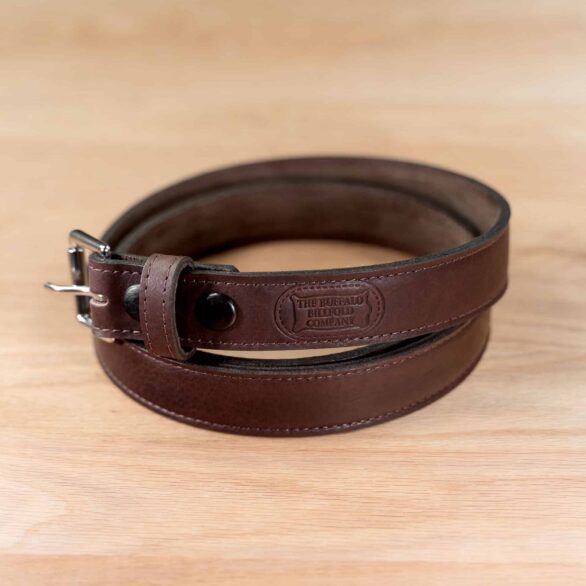
Do not scrub the suede until it feels smooth or add more cream to even out its color. Send a photo of the backing and the product used. This is particularly relevant to a suede-backed belt or mouse pad, where the two sides of the item should not receive identical care by default.
Does stickiness mean the leather is ruined?
Not necessarily, but a return to the original condition cannot be guaranteed. Surface residue, a change in finish, and a deeper change in the leather are different possibilities. The appearance alone does not establish which one has occurred.
Evaluate function as well as feel. A wallet pocket that has changed fit, an unusually soft strap, and a lightly coated exterior are different concerns. Avoid using more treatment as a way to hide or compensate for a functional change, and describe that change when requesting help.
For questions about coverage, read the Longhaul Guarantee. The terms distinguish materials and workmanship from cosmetic changes and other exclusions; the presence of a care problem does not by itself establish that a particular remedy is covered.
How can you avoid over-conditioning the next time?
Condition according to the leather’s actual needs rather than assuming that more frequent treatment is better. Our conditioning-frequency article explains that many owners need very little product, if any, and recommends a sparing approach when suitable leather becomes noticeably dry.
Test an appropriate product on an inconspicuous area before treating a larger surface. Evaluate the result after the recommended process is complete. Keep track of what you used so a successful routine can be repeated without guessing among several similar-looking bottles.
Choose a small amount deliberately, using the product directions and our guidance rather than coating the item until it looks wet. Routine dry wiping and sensible storage remain separate maintenance habits; neither should automatically trigger another application of cream.

Common over-conditioning questions
Is darker leather always over-conditioned?
No. Leather can change color through normal handling, moisture, or other causes. A change immediately after treatment is useful history, but color alone does not identify the condition.
Will the stickiness go away if I leave the item alone?
It depends on the treatment and what changed. Follow the product’s instructions, keep the item away from heat, and ask about persistent residue. Do not rely on a fixed number of hours or days as a guaranteed cure.
Should I buy conditioner with every new wallet?
It is not an automatic requirement for Buffalo Billfold Company wallets. Read the care guidance and evaluate the leather before adding a product. Minimal maintenance is part of the intended ownership routine.
Can another conditioner undo the first one?
Do not assume so. Adding products can complicate the result. Identify the original treatment and request advice before attempting a correction with something else.
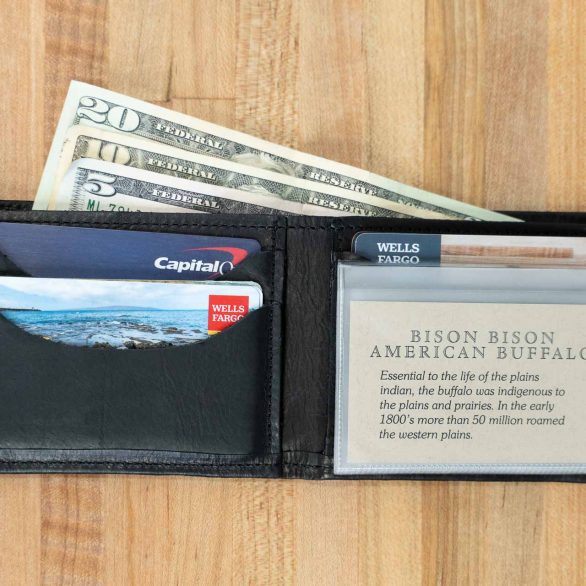
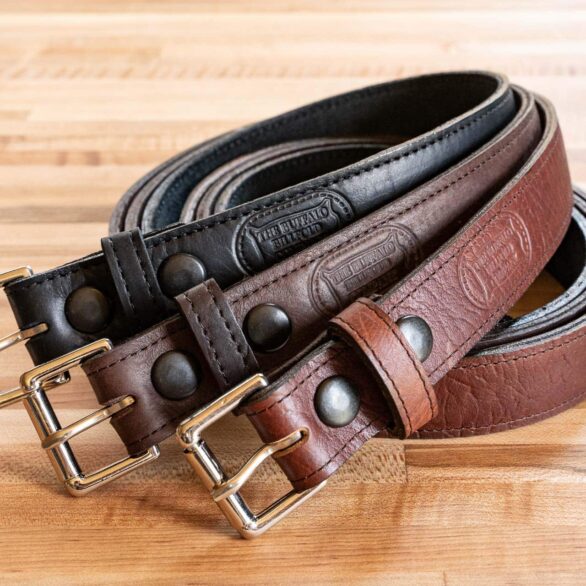
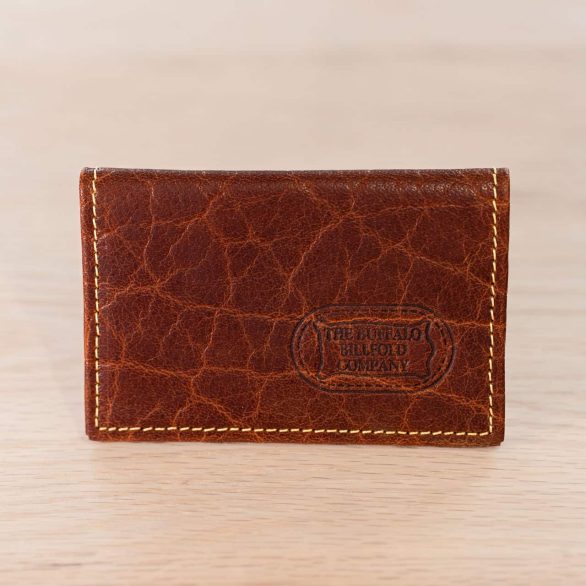
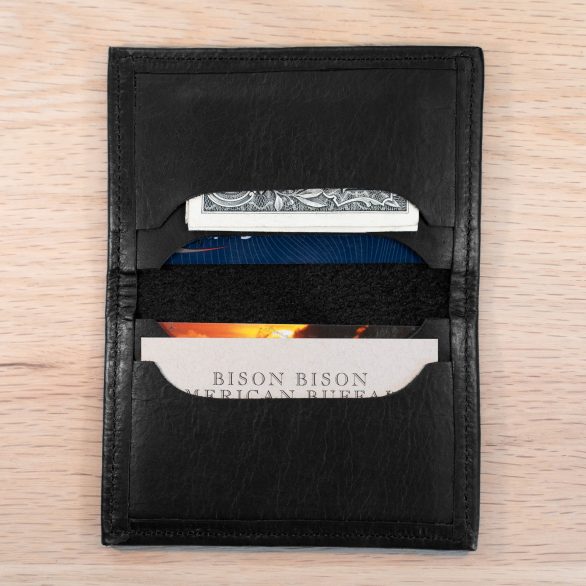
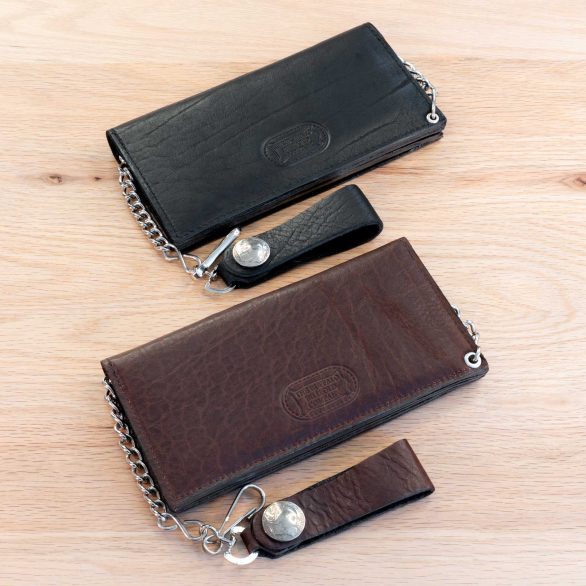
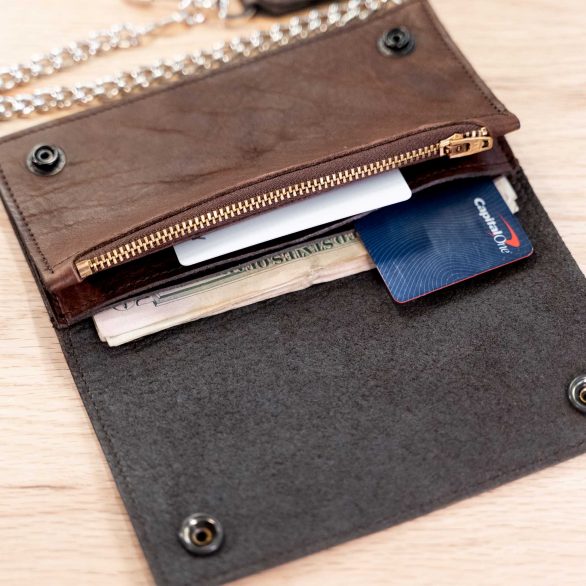
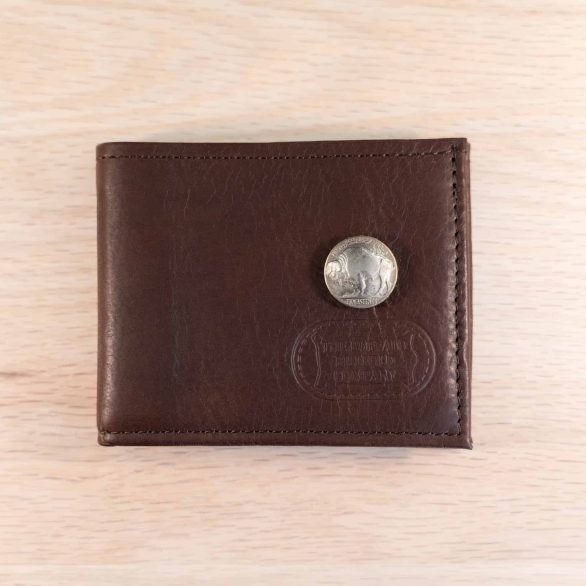
If you are choosing an everyday wallet, browse the Buffalo Billfold Company bison leather wallet collection with its simple care expectations in mind. A clear material description and a restrained routine are more useful than a collection of unneeded treatments.



 Google
 Facebook
 Trustindex


