


Leather wallet pockets can stretch and conform to the cards they are designed to hold, but that stretch is limited and may not fully reverse. A snug new pocket can be normal. A wallet that requires excessive force, bends your cards, or cannot close around your everyday contents may be the wrong size or layout. Buy for your regular load, then follow the model’s break-in instructions.
If you are looking at a minimalist wallet, this distinction can decide whether you enjoy it for years or immediately wish you had bought a larger design. Break-in should help a suitable wallet fit its contents. It should not be the plan for making an unsuitable wallet hold far more than it was designed for.
Why are new leather card pockets sometimes tight?
A leather pocket has not yet conformed to your particular cards and handling when it is new. In designs intended to fit through use, a closer starting fit helps the pocket accommodate its normal contents gradually. The result depends on the pocket’s construction and the leather selected for it.
That does not mean every leather wallet should start extremely tight. Some designs use individual slots; others are intended to hold small stacks. Interiors may also combine leather with other materials. The right starting fit therefore needs to be judged against the description of the specific wallet.
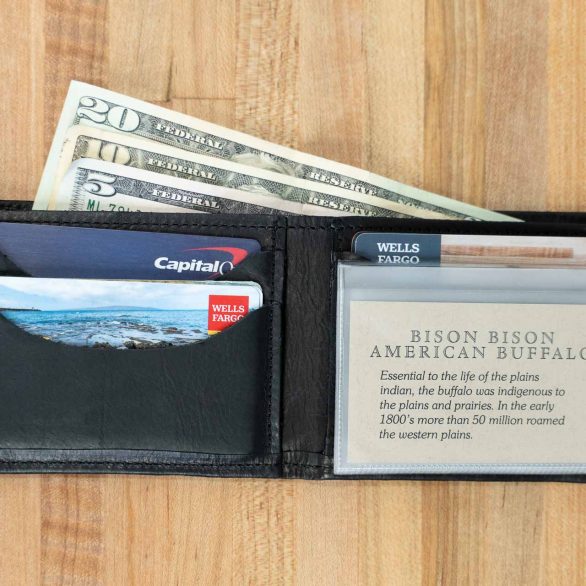
Card thickness varies, too. A stack of embossed cards, metal cards, paper cards, and sleeves can behave differently from the same number of plain plastic cards. Counting items is helpful, but looking at the actual stack is more informative than treating every card as identical.
How much can a leather wallet stretch?
There is no reliable universal percentage or extra-card allowance for finished wallets. Material, pocket dimensions, seam placement, and previous use all matter. A capacity claim for one model should not be carried over to another, even when both use the same general type of leather.
More importantly, useful fit and maximum stretch are different goals. Your everyday wallet should release a card without a struggle and retain the remaining contents in normal handling. Trying to discover the largest stack you can force into a pocket works against that balanced fit.
Once leather has stretched around extra contents, removing them does not guarantee that the pocket will return to its original dimensions. That is why adding temporary “stretching cards” can create a problem later. Break the wallet in around the contents you actually intend to carry, following its instructions.
What does a healthy break-in fit look like?
| What you notice | What it may mean | Sensible next step |
|---|---|---|
| Snug cards that insert without bending | Normal initial fit for some designs | Follow the model’s break-in guidance |
| Cards require excessive force | Too much load or unsuitable fit | Remove some contents and ask about the model |
| Wallet will not close comfortably | Contents exceed the practical layout | Reduce the load or compare a larger design |
| Cards become loose after extras are removed | The pocket may have stretched around a larger stack | Ask about options; avoid trying to shrink it with heat or water |
Use this as a buying and handling guide, not a diagnosis of every wallet. If a seam looks damaged or a pocket behaves unexpectedly, stop forcing it and contact the maker. Continuing to add cards is unlikely to clarify whether you have the right fit.
How do BBC leather wallets break in?
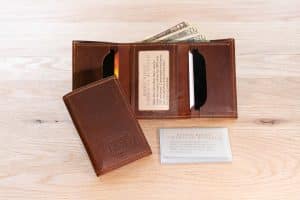
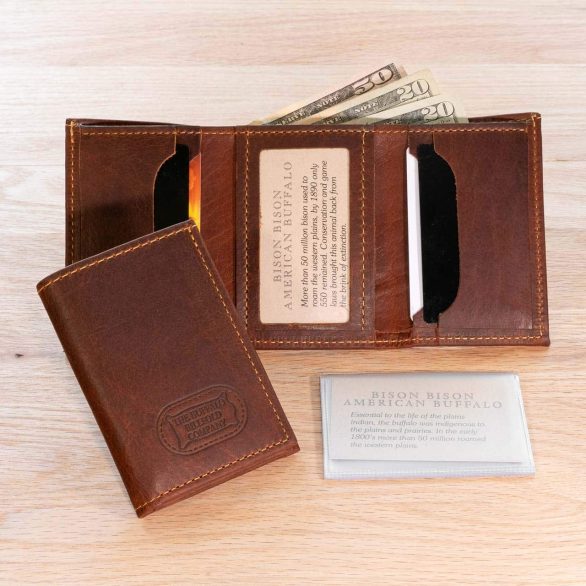
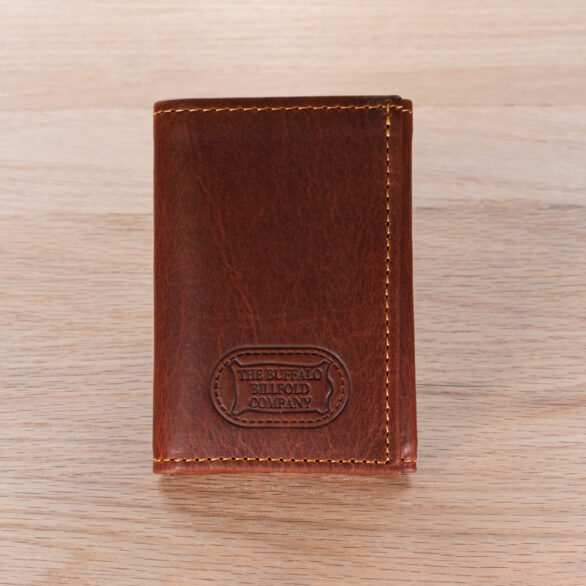
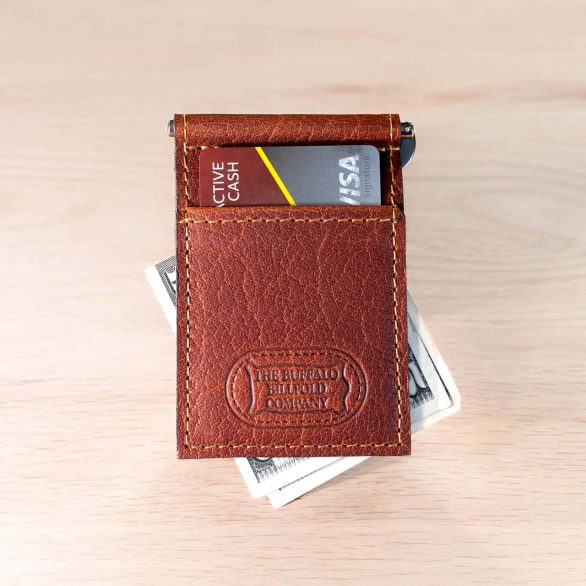
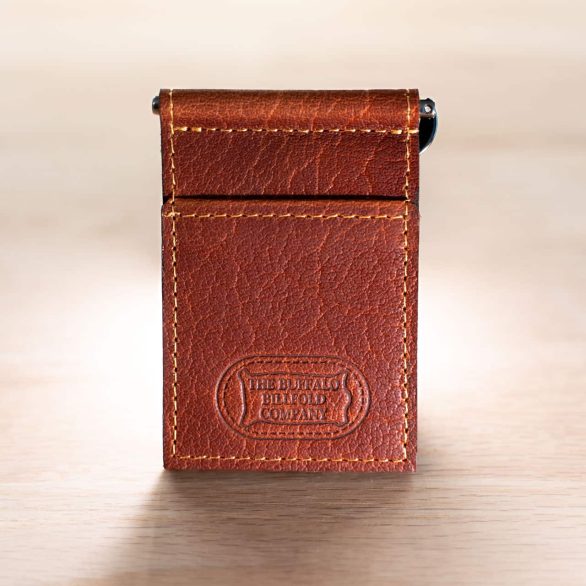
Our leather front pocket wallet provides model-specific guidance: begin with one or two cards in a pocket, then add a card gradually as the fit allows. Its instructions describe adding one per pocket every two to three days during that process. That is guidance for this design, not a universal timetable or a reason to keep adding cards indefinitely.
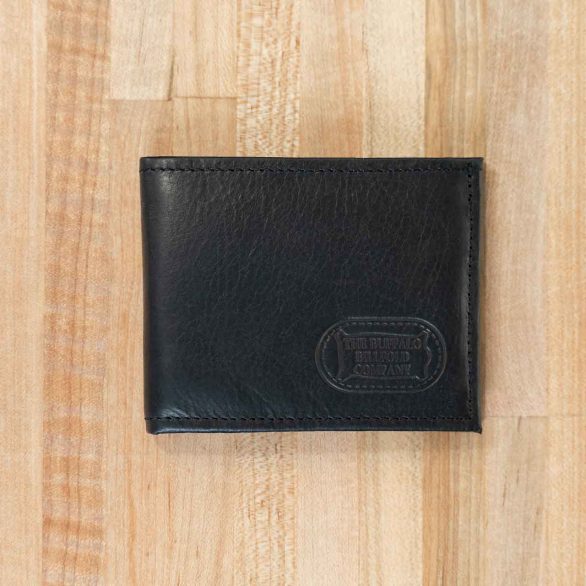
The handmade minimalist wallet also describes a gradual fit, adding one or two cards at a time. Choose it because its two card pockets and bill arrangement suit your regular contents. Its ability to conform through use is a finishing step in that decision, not a substitute for choosing the appropriate layout.
Our signature Buffalo Billfold has a different pocket arrangement and its own discussion of how the leather fits cards. Read that model’s description when comparing it with a minimalist or front-pocket wallet. The number of visible pockets alone does not tell you whether each is intended for individual cards or a stack.
How should you choose card capacity before ordering?
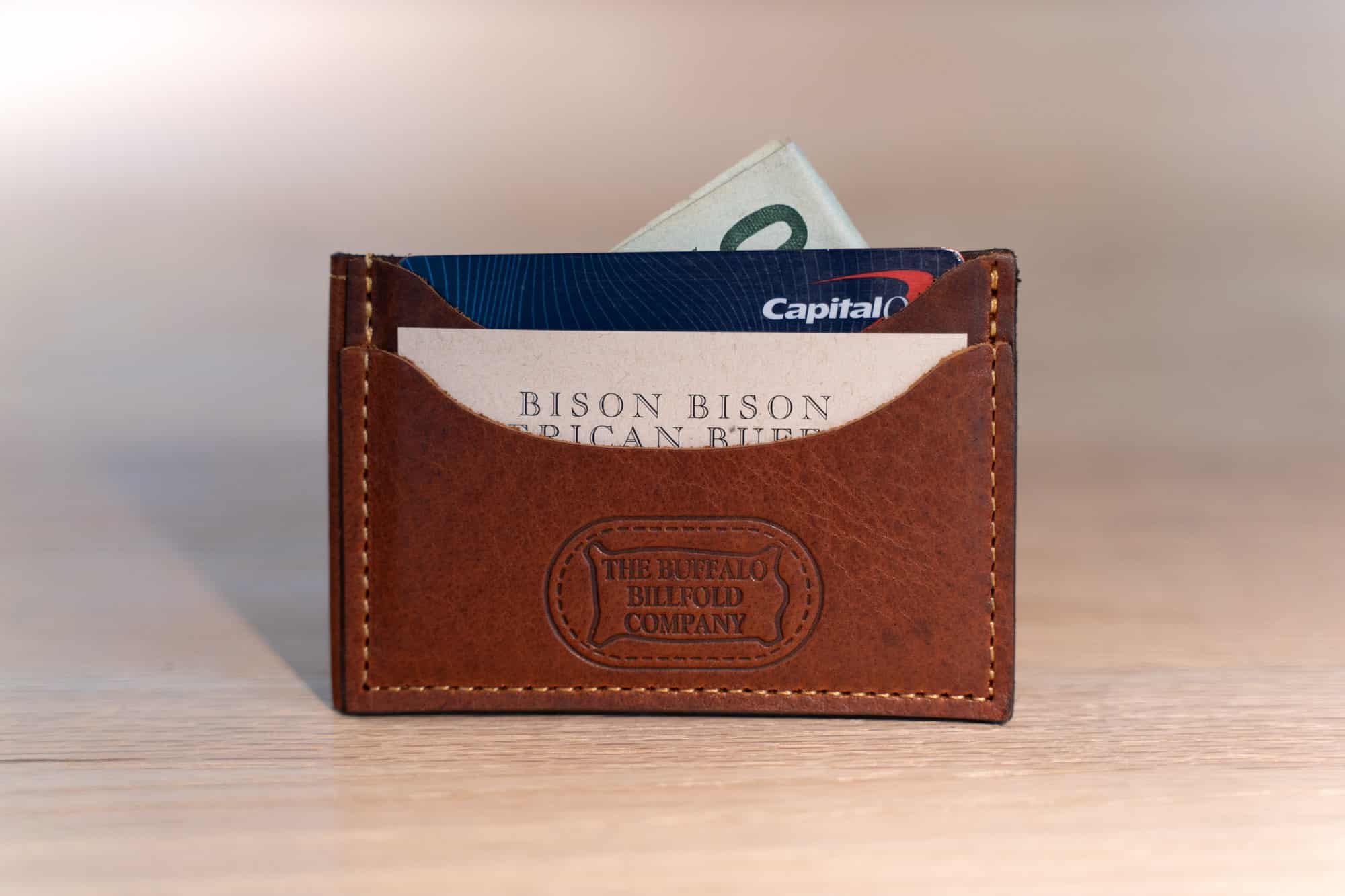
Empty your current wallet and divide the contents into everyday essentials, occasional items, and things you no longer need. Keep the items you actually intend to carry together, including identification, insurance information, cash, and any card sleeves. This gives you a realistic load to compare with a product description.
Then decide how you want to access them. If you use one payment card several times a day, easy access to that card may matter more than maximizing the number of compartments. If you regularly switch between several cards, separate slots may be worth a slightly larger wallet.
Finally, consider how often your load changes. A wallet that is routinely stuffed for travel and then emptied again has different demands from one that carries the same essentials every day. It may be more practical to use a separate travel organizer than to stretch your everyday card pockets around a temporary load.
Should you use heat, water, or conditioner to stretch a wallet?
Do not use those methods as a shortcut for a BBC wallet. Soaking, heating, or adding oils can change the leather and may leave you with a different problem than the tight fit you started with. They also do not create additional room at seams or redesign the wallet’s folds.
Normal use and the model’s instructions are the starting point. Our full-grain leather care article explains appropriate care; it should take precedence over generic internet advice about softening any leather with household products. If you are unsure whether the wallet fits, ask before altering it.
When should you buy a different wallet instead?
Choose a different design when your everyday contents require persistent force, obstruct the fold, or make routine card access frustrating. A larger or differently arranged wallet may solve the problem more effectively than waiting for the leather to change.
“Larger” does not always mean a much bigger object. You may need a different distribution of pockets, a dedicated bill compartment, or a design that separates a money clip from the card pockets. Compare the leather money clip wallet with a traditional bifold if the arrangement of cash is contributing to the bulk.
Questions shoppers often ask
Can I put extra cards in overnight to stretch the pockets?
Avoid filling pockets beyond the model’s guidance just to accelerate the process. The leather may retain some of that larger fit after the extras are removed. Gradual use with your intended contents is a more controlled approach.
How long does leather wallet break-in take?
It varies with the design, contents, and frequency of use. Use the product’s instructions as your reference and judge progress by comfortable access and secure fit, rather than assuming every wallet must be ready after a fixed number of days.
Will a loose card pocket shrink back?
Do not count on it returning to its original size. Avoid heat or water experiments. Contact the maker about the specific wallet and describe what changed, including whether cards were added and later removed.
Should I buy a wallet that is tight when empty?
An empty wallet alone cannot show you its working fit. Review the intended contents and instructions. Some pockets are deliberately snug initially, but discomfort or excessive force with the stated load deserves clarification before you commit to using it.
Explore our bison leather wallets with your actual card stack in mind. Choose a layout that fits your habits, then let normal use bring the leather into a comfortable working fit.



 Google
  Facebook
  Trustindex


