




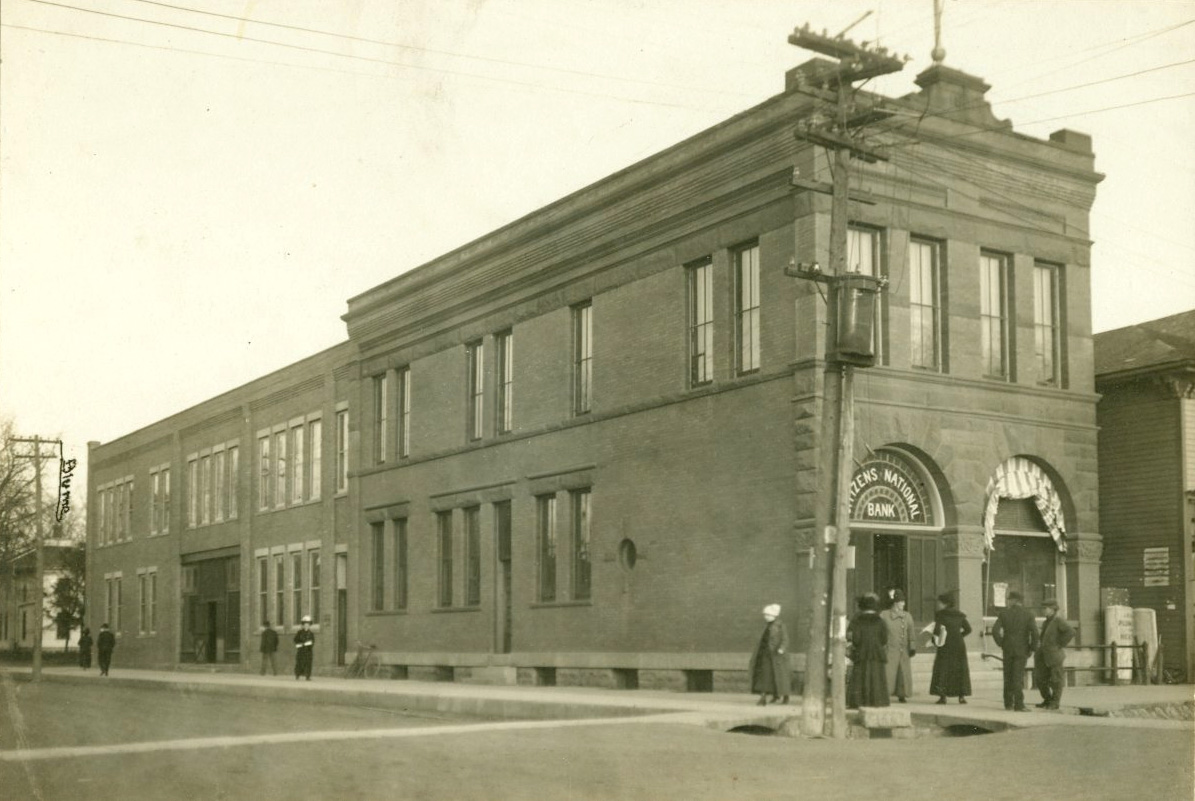
Long before the name “Dayton” became associated with one of Minnesota’s most influential retail empires, George Draper Dayton built the foundation of his business career in the small prairie town of Worthington, Minnesota. In the late 19th century, Worthington was still shaping its civic identity, and Dayton played a meaningful role in its financial and commercial development.
George Dayton’s Early Years in Worthington
George Draper Dayton arrived in Worthington in the early 1880s. Originally from New York, he came west to manage land and financial interests connected to regional investment activity. Worthington at that time was still recovering from economic setbacks and banking instability. Dayton stepped into that environment and helped stabilize local financial institutions, eventually organizing what became the Bank of Worthington.
His work in Worthington extended beyond simple banking operations. Dayton invested in real estate, agricultural lending, and regional development. Through careful financial stewardship and conservative business principles, he helped restore confidence in local commerce. These years proved formative — both for Dayton himself and for Worthington’s economic future.
The Citizens National Bank Building
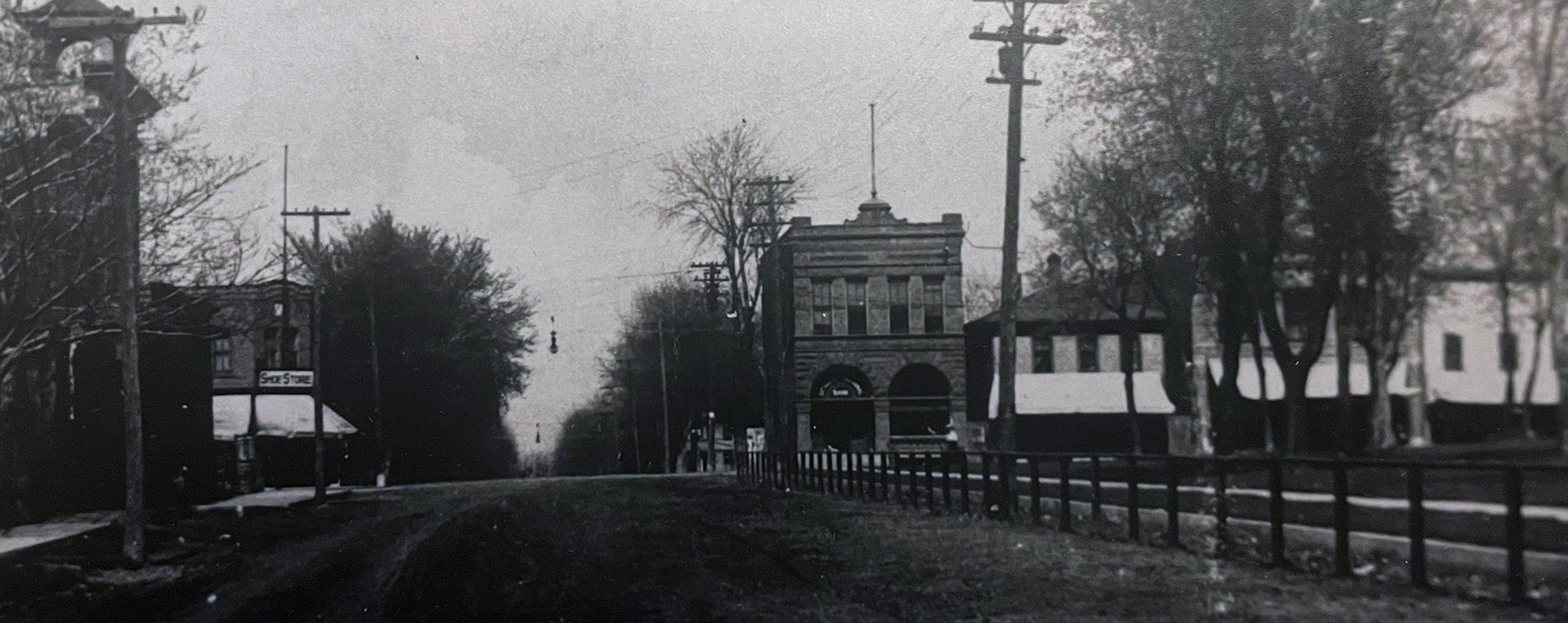
By the turn of the 20th century, Worthington’s commercial district reflected renewed prosperity. Around 1901, the stately brick and stone Citizens National Bank building was constructed at 326 10th Street. Its architecture signaled permanence and stability — thick stone arches, classical detailing, and strong masonry elements typical of Midwestern bank buildings of the era.
George Dayton maintained offices on the second story of this bank. It was here, above the banking floor, that he conducted business affairs before eventually relocating to Minneapolis to pursue larger commercial opportunities. Those ventures would later evolve into the Dayton department store business — a name that became deeply woven into Minnesota’s retail history.
Yet before Minneapolis, before retail expansion, and before the Dayton name became nationally recognized, there was Worthington and the Citizens National Bank building that stood witness to farmers’ dreams, merchants’ ambitions, and the shift toward a more interconnected Midwestern economy as the 20th century dawned.
The Dayton Home in Worthington
Dayton’s presence in Worthington extended beyond the bank building. He resided in what is now known as the Dayton House, a historic residence that remains an important landmark in the community. The home reflects the period in which Dayton lived and worked locally, contributing to Worthington’s civic and economic life.
Today, both the Dayton House and the former Citizens National Bank building serve as reminders that national stories often begin in small towns. Worthington provided the proving ground where Dayton refined his leadership, discipline, and long-term vision.
Another Chapter Dawns
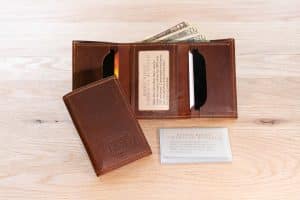
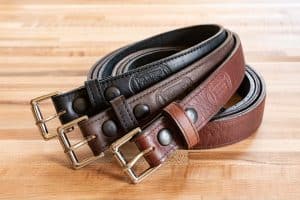
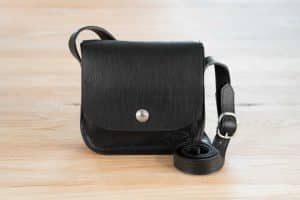
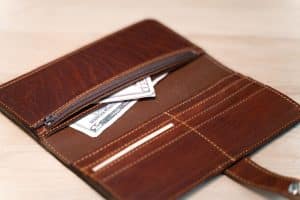
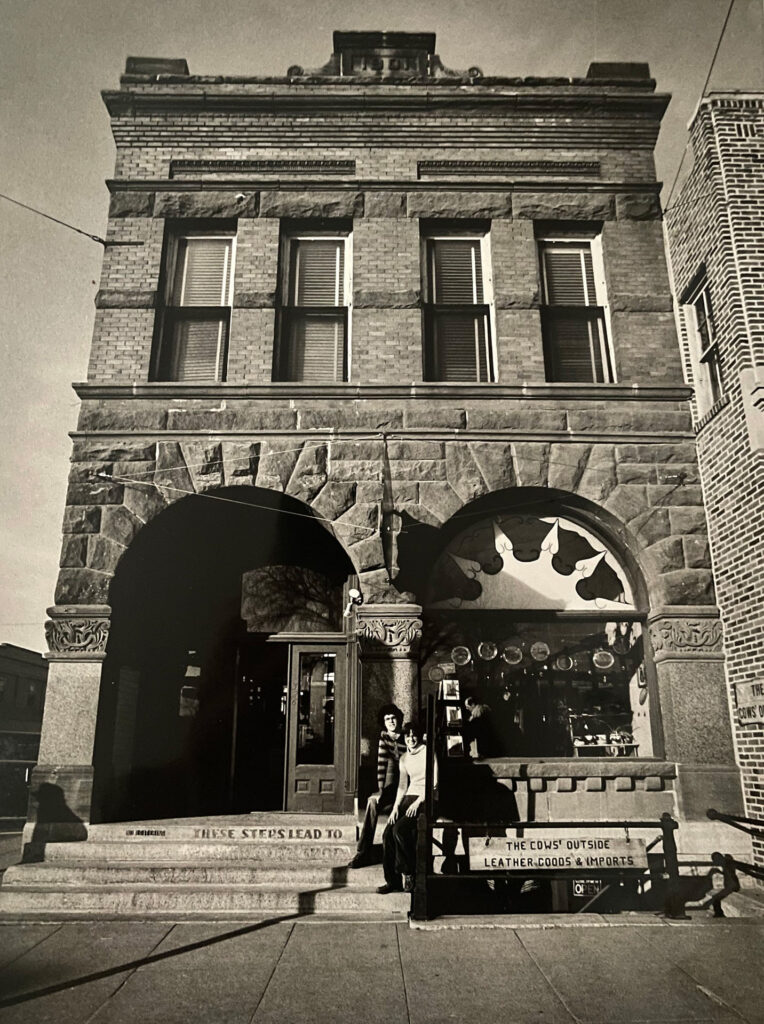
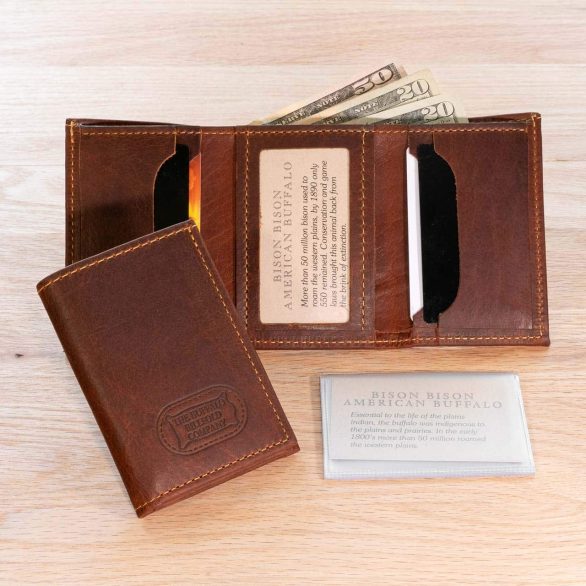
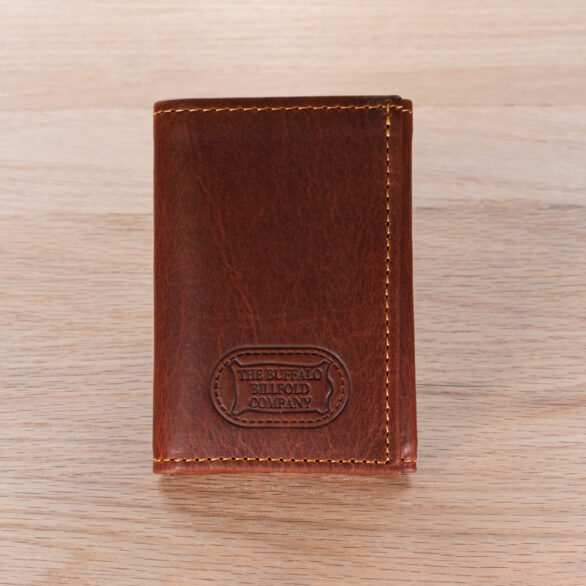
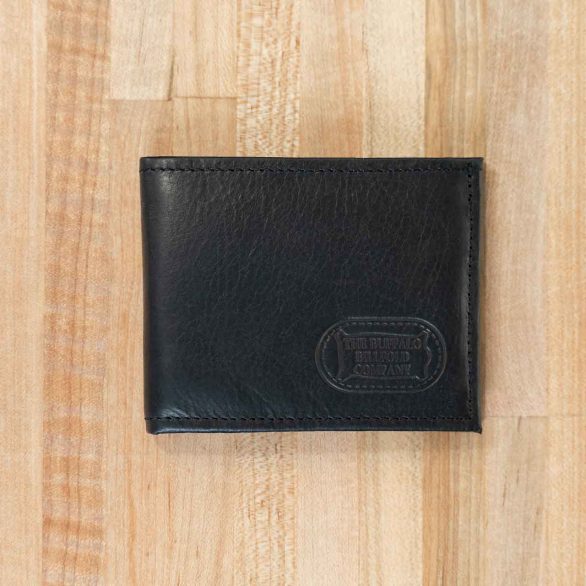
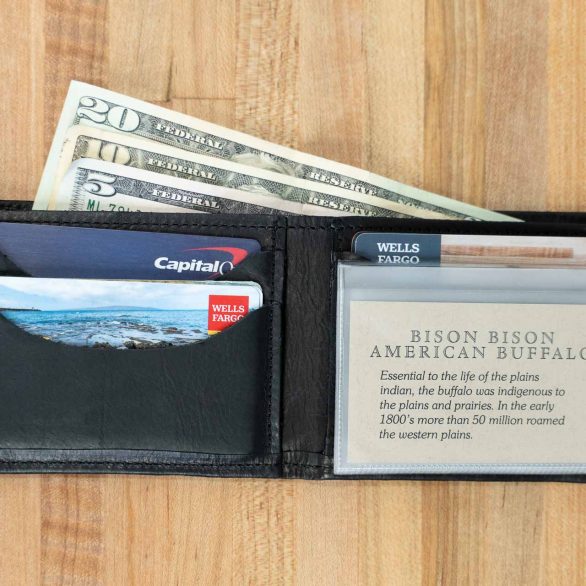
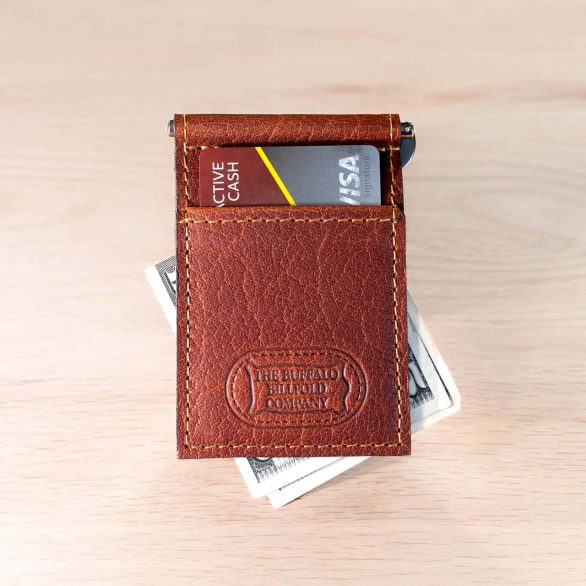
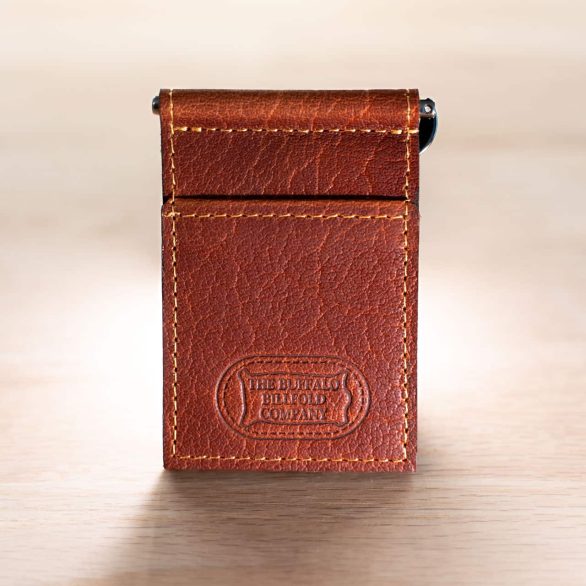
Decades later, another chapter in this building’s history began with Bill and Lauri Keitel, founders of what would become Buffalo Billfold Company. In 1972, Bill and Lauri opened their first leather goods shop, “The Cow’s Outside,” in the basement of this historic building — a humble beginning that reflected their passion for quality handmade goods.
A Building That Continues to Serve Worthington
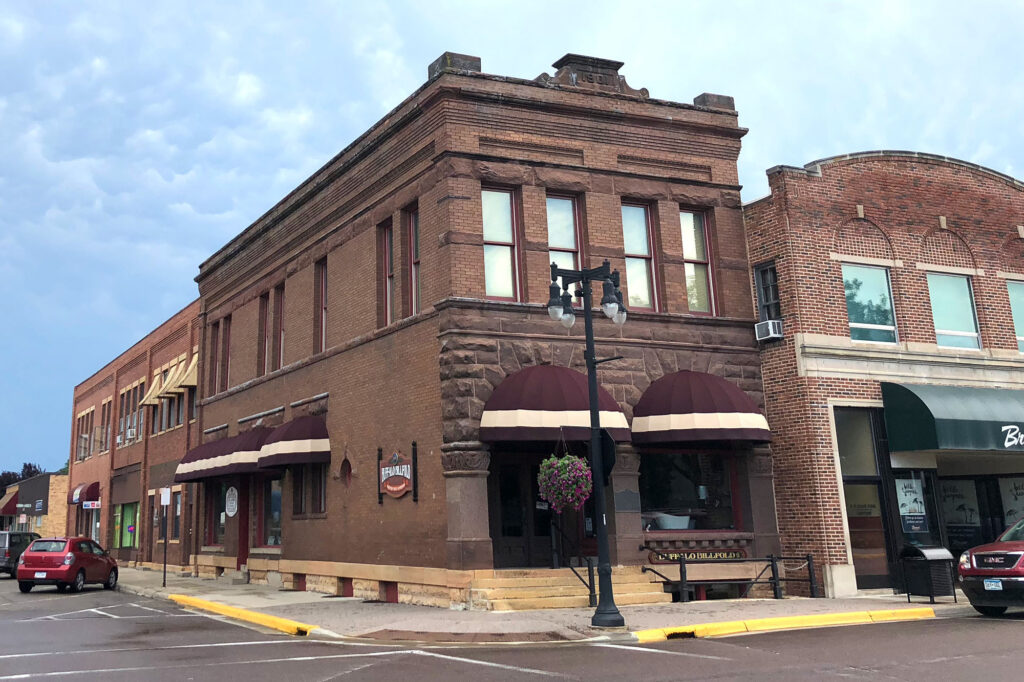
The Citizens National Bank building has remained a cornerstone of downtown Worthington for more than a century. While its purpose has evolved over time, its presence continues to anchor the block just as it did in the early 1900s.
Buildings like this are more than brick and stone — they carry the stories of the people who shaped a community. From agricultural financing and regional development to modern entrepreneurship, the structure has quietly witnessed generations of enterprise.
Today, the building stands as part of Worthington’s preserved downtown heritage. Visitors exploring the area’s historic district can still see the same architectural lines that once framed Dayton’s office windows.
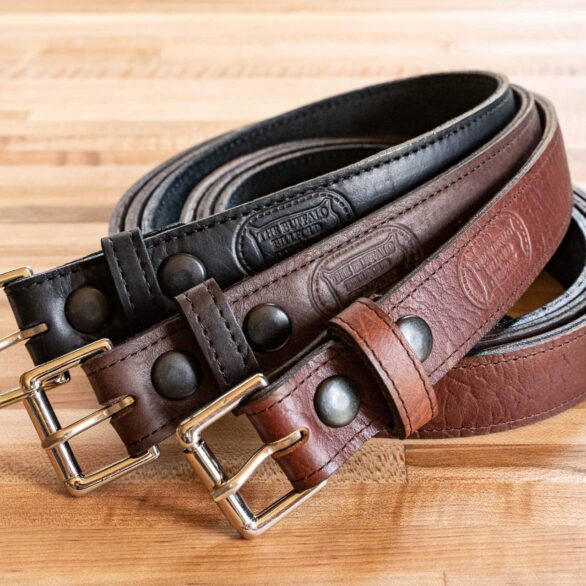
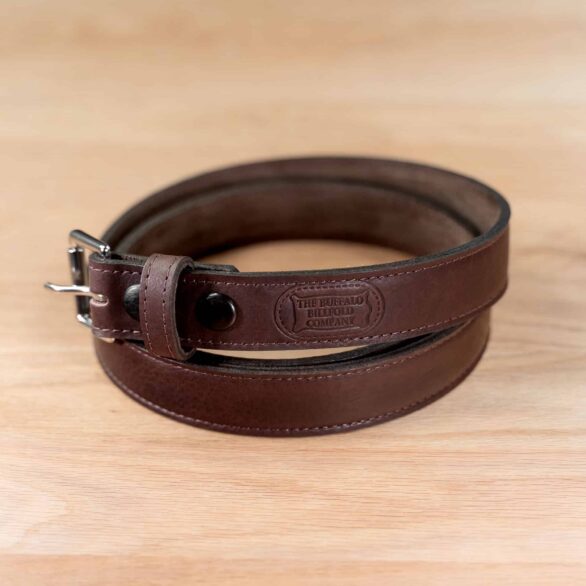
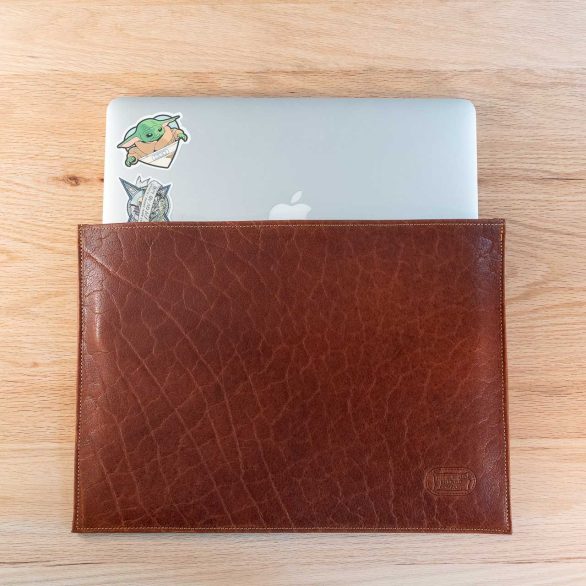
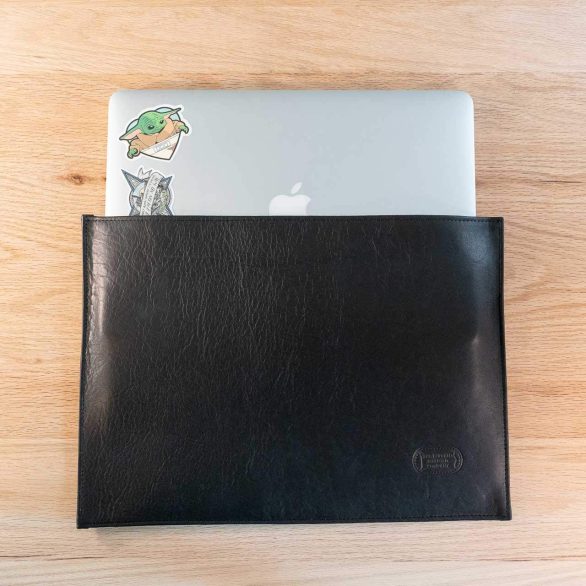
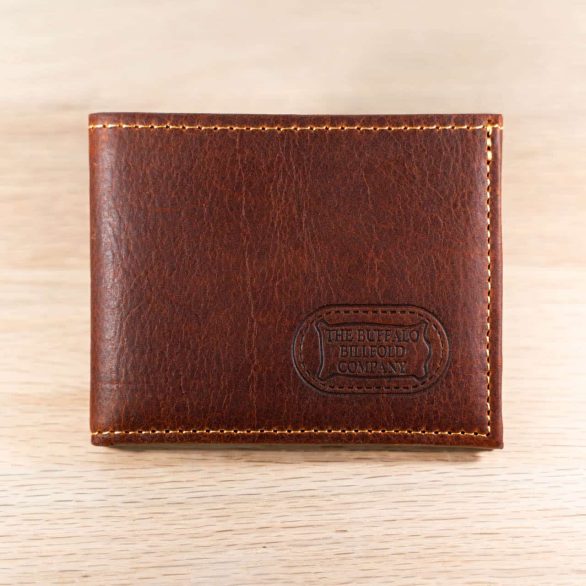
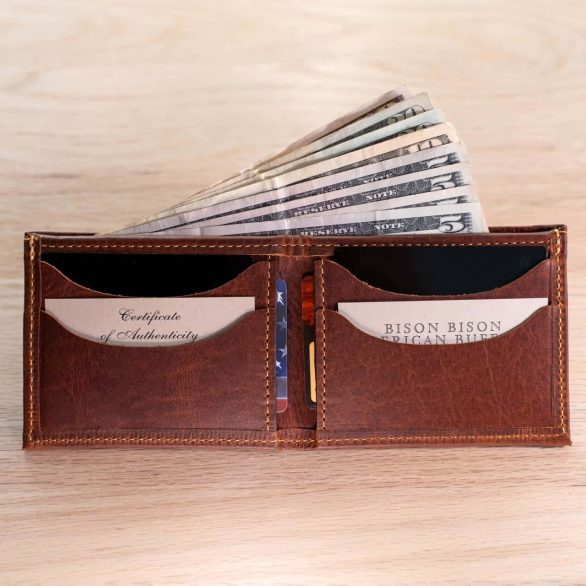
For those interested in craftsmanship and enduring materials — the kind of quality that defined early 20th century construction — you can explore our collection of American-made leather goods built with that same spirit of permanence and purpose.
Sources:
- Historic Dayton House – Worthington, MN
https://www.historicdaytonhouse.com - Minnesota Historical Society – George Draper Dayton
https://www.mnhs.org - National Register of Historic Places (NPS) – Nobles County, Minnesota listings
https://www.nps.gov - Nobles County Historical Society
https://www.noblescountyhistory.com

My cousin, Larry Rockman, owned a beauty salon in the lower level of the building, and I worked as a receptionist on the weekends. I always wished I could go upstairs and look around but never did! I would say the same thing for the basement. It would have been fun to look around!